WILLIAM SHAKESPEARE
HAMLET

The Tragedy of Hamlet, Prince of Denmark, often shortened to Hamlet (/ˈhæmlɪt/), is a tragedy written by William Shakespeare sometime between 1599 and 1601. It is Shakespeare’s longest play. Set in Denmark, the play depicts Prince Hamlet and his attempts to exact revenge against his uncle, Claudius, who has murdered Hamlet’s father in order to seize his throne and marry Hamlet’s mother.
Hamlet is considered among the “most powerful and influential tragedies in the English language”, with a story capable of “seemingly endless retelling and adaptation by others.”[1] It is widely considered one of the greatest plays of all time.[2] Three different early versions of the play are extant: the First Quarto (Q1, 1603); the Second Quarto (Q2, 1604); and the First Folio (F1, 1623). Each version includes lines and passages missing from the others.[3] Many works have been pointed to as possible sources for Shakespeare’s play, from ancient Greek tragedies to Elizabethan dramas.
DOWNLOAD
One response to “CLASSIC LITERATURE”
-
great book

-
great book
CLIFFSNOTES ON SHAKESPEARE’S HAMLET

The original CliffsNotes study guides offer expert commentary on major themes, plots, characters, literary devices, and historical background. The latest generation of titles in this series also feature glossaries and visual elements that complement the classic, familiar format.
Something may be rotten in the state of Denmark, but your grades will be sweet when you rely on CliffsNotes on Hamlet as you digest Shakespeare’s tragic masterpiece. In this play, Hamlet explores the meaning of life, death, eternity, relationships, hypocrisy, truth, the existence of God, and almost anything else that concerns mankind.
Character studies shed new light on Prince Hamlet, his father King Hamlet, the malevolent Claudius, the troubled Ophelia — and the rest of the cast. You’ll also explore the life and times of William Shakespeare, and unlock the play’s themes and literary devices. Count on CliffsNotes on Hamlet for detailed summaries and commentaries on every scene to help you appreciate the complexity of the play.
Other features that help you study include
- Character analyses of major players
- A character map that graphically illustrates the relationships among the characters
- Critical essays
- A review section that tests your knowledge
Classic literature or modern modern-day treasure — you’ll understand it all with expert information and insight from CliffsNotes study guides.
DOWNLOAD
CLIFFSCOMPLETE WILLIAM SHAKESPEARE’S HAMLET

In the CliffsComplete guides, the novel’s complete text and a glossary appear side-by-side with coordinating numbered lines to help you understand unusual words and phrasing. You’ll also find all the commentary and resources of a standard CliffsNotes for Literature.CliffsComplete Hamlet covers details of the most widely produced and critiqued Shakespearean play. Written in poignant language, Hamlet contains all the elements necessary for a good tragedy, including a brave and daring hero who suffers a fatal flaw.Discover what happens to the complicated cast of characters — and save valuable studying time — all at once. Enhance your reading of Hamlet with these additional features:A summary and insightful commentary for each chapterBibliography and historical background on the author, William ShakespeareA look at Early Modern England historical, intellectual, religious, and social contextInsight into the play’s classical elements and languageA character map that graphically illustrates the relationships among the charactersReview questions, a quiz, discussion guide, and activity ideasA Resource Center full of books, articles, films, and Web sitesStreamline your literature study with all-in-one help from CliffsComplete guides!
DOWNLOAD
WILLIAM SHAKESPEARE
MACBETH

The Tragedy of Macbeth, often shortened to Macbeth (/məkˈbɛθ/), is a tragedy by William Shakespeare, estimated to have been first performed in 1606.[a] It dramatises the physically violent and damaging psychological effects of political ambitions and power. It was first published in the Folio of 1623, possibly from a prompt book, and is Shakespeare’s shortest tragedy.[1] Scholars believe Macbeth, of all the plays that Shakespeare wrote during the reign of King James I, contains the most allusions to James, patron of Shakespeare’s acting company.[2]
In the play, a brave Scottish general named Macbeth receives a prophecy from a trio of witches that one day he will become King of Scotland. Consumed by his latent ambition and spurred to violence by his wife, Macbeth murders King Duncan and takes the Scottish throne for himself. Then, racked with guilt and paranoia, he commits further murders to protect himself from enmity and suspicion, becoming a tyrannical ruler in the process. The violence perpetrated by the power-hungry couple leads to their insanity and finally to their deaths.
Shakespeare’s source for the story is the account of Macbeth, King of Scotland, Macduff, and Duncan in Holinshed’s Chronicles (1587), a history of England, Scotland, and Ireland familiar to Shakespeare and his contemporaries, although the events in the play differ extensively from the history of the real Macbeth.
There was a stage superstition that the name of the play should not be spoken, and that it should instead be called “The Scottish Play“. The play has attracted some of the most renowned actors to the roles of Macbeth and Lady Macbeth and has been adapted to film, television, opera, novels, comics, and other media.
DOWNLOAD
One response to “CLASSIC LITERATURE”
-
great book
Leave a Reply
CLIFFSNOTES ON SHAKESPEARE’S MACBETH

The original CliffsNotes study guides offer expert commentary on major themes, plots, characters, literary devices, and historical background. The latest generation of titles in this series also feature glossaries and visual elements that complement the classic, familiar format.
Packed with action and vivid portrayal of human relationships, Shakespeare’s Macbeth traces the bloody climb to power and tragic ruin of a fate-plagued king. Count on CliffNotes on Macbeth to carry you through the rise and fall of a cast of characters that includes a cruel and ambitious warrior, his wicked wife, and a trio of witches who have wormed their way into audiences’ hearts since William Shakespeare first presented their prophecies about 300 years ago.
Show your classmates – and your grade-granting teacher – that you’re in the know with English literature. You can’t miss with scene summaries, plot explorations, language simplification, and insights into the author’s life and times. Other features that help you study include
- A brief synopsis of the play
- A character map to help you see relationships among the characters
- Critical essays on major themes and stage productions
- An interactive quiz to test your knowledge
- Essay topics and practice projects
Classic literature or modern modern-day treasure – you’ll understand it all with expert information and insight from CliffsNotes study guides.
DOWNLOAD
CLIFFSCOMPLETE WILLIAM SHAKESPEARE’S MACBETH

In the CliffsComplete guides, the novel’s complete text and a glossary appear side-by-side with coordinating numbered lines to help you understand unusual words and phrasing. You’ll also find all the commentary and resources of a standard CliffsNotes for Literature.CliffsComplete Othello makes you familiar with one of the most staged of all of Shakespeare’s plays. Othello is a tale of love and betrayal, secrets, passion, and intrigue. Psychology and wit pit strength and virtue against jealousy and evil agendas. The results leave no winners, only tragedy in the lives of the jealous Moor, Othello, and his wife, Desdemona.Enhance your reading of Othello and save valuable studying time — all at once — with CliffsComplete Othello. Additional features include:A summary and insightful commentary for each sceneBibliography and historical background on the playwright, William ShakespeareA look at the historical context and structure of the playDiscussions on the play’s symbols and themesA character map that graphically illustrates the relationships among the charactersReview questions, a quiz, discussion topics (essay questions), activity ideasA Resource Center full of books, articles, films, and Internet sitesStreamline your literature study with all-in-one help from CliffsComplete guides!
DOWNLOAD
WILLIAM SHAKESPEARE
OTHELLO
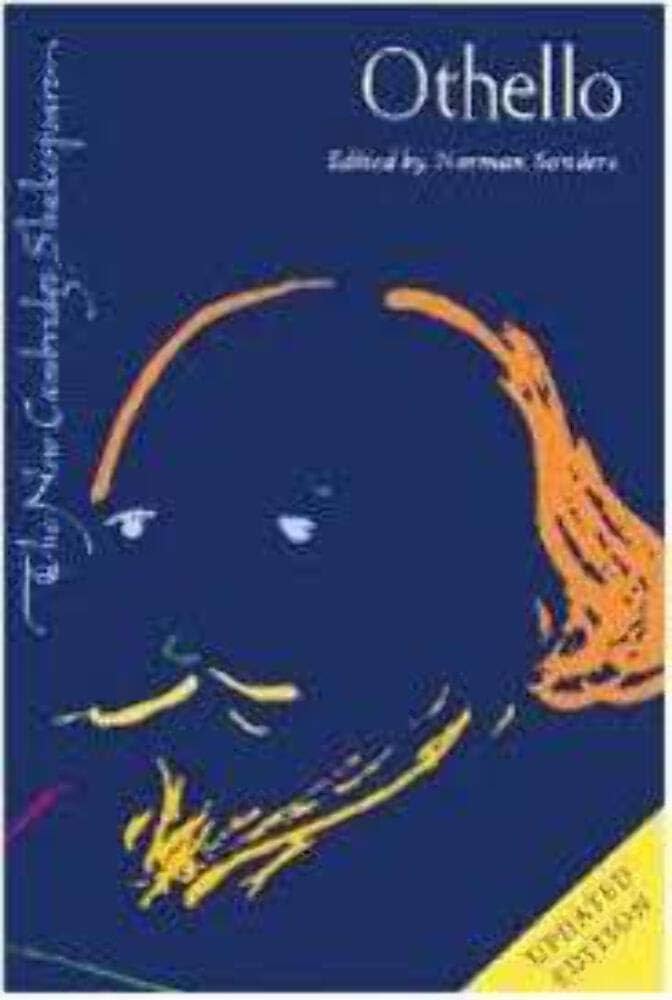
The Tragedy of Othello, the Moor of Venice, often shortened to Othello,[a] is a tragedy written by William Shakespeare around 1603. Set in Venice and Cyprus, the play depicts the Moorish military commander Othello as he is manipulated by his ensign, Iago, into suspecting his wife Desdemona of infidelity. Othello is widely considered one of Shakespeare’s greatest works and is usually classified among his major tragedies alongside Macbeth, King Lear, and Hamlet. Unpublished in the author’s life, the play survives in one quarto edition from 1622 and in the First Folio.
Othello has been one of Shakespeare’s most popular plays, both among playgoers and literary critics, since its first performance, spawning numerous stage, screen, and operatic adaptations. Among actors, the roles of Othello, Iago, Desdemona, and Emilia (Iago’s wife) are regarded as highly demanding and desirable. Critical attention has focused on the nature of the play’s tragedy, its unusual mechanics, its treatment of race, and on the motivations of Iago and his relationship to Othello. Originally performed by white actors in dark makeup, the role of Othello began to be played by black actors in the 19th century.
Shakespeare’s major source for the play was a novella by Cinthio, the plot of which Shakespeare borrowed and reworked substantially. Though not among Shakespeare’s longest plays, it contains two of his four longest roles in Othello and Iago.
DOWNLOAD
CLIFFSNOTES ON SHAKESPEARE’S OTHELLO
The original CliffsNotes study guides offer expert commentary on major themes, plots, characters, literary devices, and historical background. The latest generation of titles in the series also feature glossaries and visual elements that complement the classic, familiar format.
Betrayal and manipulation lie at the heart of Othello . Keep up with all the crosses and double-crosses of this tragic play with the CliffsNotes version of the play, which will help you form your own opinions about Iago’s schemes, Othello’s motives, and Desdemona’s loyalty.
Other features that help you study include
- Background information about the life and times of William Shakespeare to help you understand his influences
- A character map that graphically illustrates the relationships among the characters
- Glossaries to help you comprehend Shakespeare’s language
- Critical essays on the character pairs and major themes of the play
- A review section that tests your knowledge
Classic literature or modern modern-day treasure — you’ll understand it all with expert information and insight from CliffsNotes study guides.
DOWNLOAD
CLIFFSCOMPLETE WILLIAM SHAKESPEARE’S OTHELLO
In the CliffsComplete guides, the novel’s complete text and a glossary appear side-by-side with coordinating numbered lines to help you understand unusual words and phrasing. You’ll also find all the commentary and resources of a standard CliffsNotes for Literature.CliffsComplete Othello makes you familiar with one of the most staged of all of Shakespeare’s plays. Othello is a tale of love and betrayal, secrets, passion, and intrigue. Psychology and wit pit strength and virtue against jealousy and evil agendas. The results leave no winners, only tragedy in the lives of the jealous Moor, Othello, and his wife, Desdemona.Enhance your reading of Othello and save valuable studying time — all at once — with CliffsComplete Othello. Additional features include:A summary and insightful commentary for each sceneBibliography and historical background on the playwright, William ShakespeareA look at the historical context and structure of the playDiscussions on the play’s symbols and themesA character map that graphically illustrates the relationships among the charactersReview questions, a quiz, discussion topics (essay questions), activity ideasA Resource Center full of books, articles, films, and Internet sitesStreamline your literature study with all-in-one help from CliffsComplete guides!
DOWNLOAD
MARK TWAIN
THE ADVENTURES OF TOM SAWYER
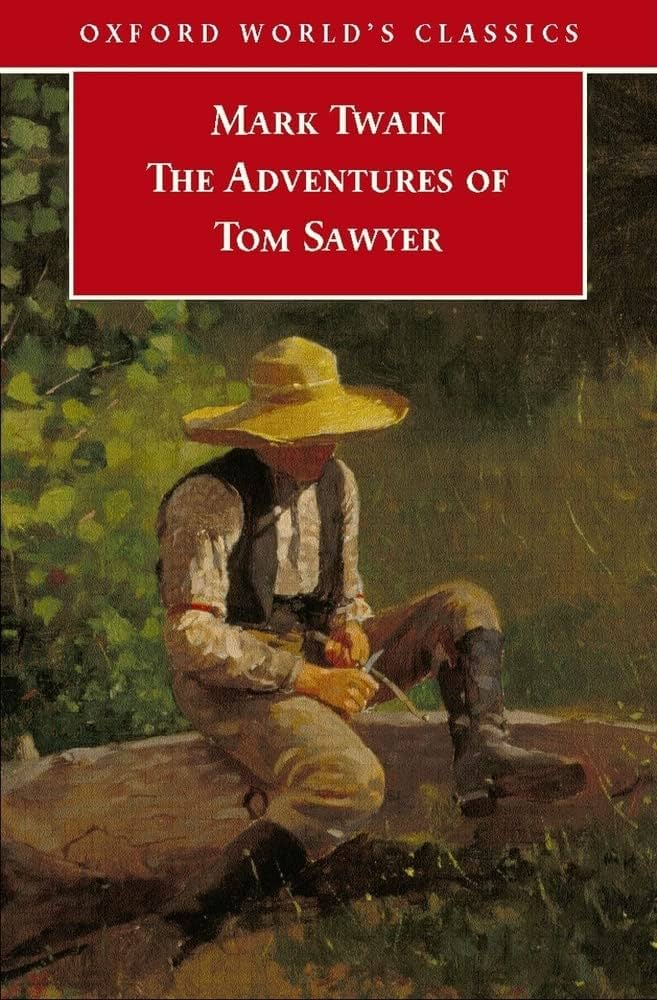
The Adventures of Tom Sawyer (also simply known as Tom Sawyer) is a novel by Mark Twain published on June 9, 1876, about a boy, Tom Sawyer, growing up along the Mississippi River. It is set in the 1830s–1840s in the town of St. Petersburg, which is based on Hannibal, Missouri, where Twain lived as a boy.[2] In the novel, Sawyer has several adventures, often with his friend Huckleberry Finn. Originally a commercial failure, the book ended up being the best-selling of Twain’s works during his lifetime.[3][4]
Along with its 1885 sequel, Adventures of Huckleberry Finn, the book is considered by many to be a masterpiece of American literature.[5] It was alleged by Mark Twain to be one of the first novels to be written on a typewriter.[6]
DOWNLOAD
CLIFFSNOTES ON TWAIN’S THE ADVENTURES OF TOM SAWYER
The original CliffsNotes study guides offer expert commentary on major themes, plots, characters, literary devices, and historical background. The latest generation of titles in this series also feature glossaries and visual elements that complement the classic, familiar format. In CliffsNotes on The Adventures of Tom Sawyer, you experience the exciting adventures of a typical boy during the mid-nineteenth century. The characters — Tom himself, Becky Thatcher, Huck Finn, Injun Joe, and Aunt Polly — have become part of American heritage. Use this study guide to help you discover all of Tom’s dreams and fears — and perhaps a few of your own! You’ll also gain insight into the man behind this American classic — Mark Twain, a.k.a. Samuel Clemens. Other features that help you study include Character analyses of major players A character map that graphically illustrates the relationships among the characters Critical essays A review section that tests your knowledge A Resource Center full of books, articles, films, and Internet sites Classic literature or modern modern-day treasure — you’ll understand it all with expert information and insight from CliffsNotes study guides. In this book: learn about the life and background of the author, preview an introduction to the novel, study a graphical character map, explore themes and literary devices in the critical commentaries, examine in-depth character analysis, enhance your understanding of the work with critical essays, reinforce what you learn with CliffsNotes review, find additional information to further your study in CliffNotes Resource Center and online at www.cliffnotes.com This guide to Twain’s “The Adventures of Tom Sawyer” aims to help students understand the overall structure of the novel, actions and motivations of the characters, and the social and cultural perspectives of the author. Provides a summary of Twain’s life and times, an introduction to the novel, character analyses, critical…
DOWNLOAD
CHARLES DICKENS
OLIVER TWIST
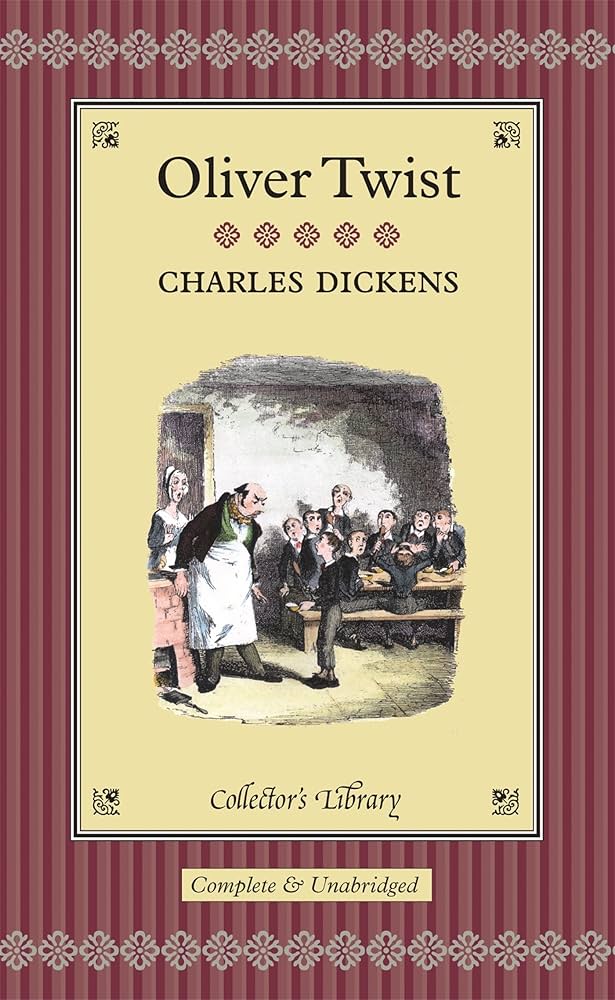
Charles Dickens is perhaps the English-speaking world’s most beloved novelist—and Oliver Twist is one of his most popular works. A heartbreaking tale that portrays the cruelty of the Victorian era at its worst, it has been adapted for film, for the theatre (including the classic musical, Oliver!), and for television. Dickens’s dark and gritty story follows the adventures of an unfortunate orphan who goes from a harsh work house into to the wider, more dangerous world of the London slums. Many of the book’s characters have become household names, in particular the colorful criminals Fagin and the “Artful Dodger.” Packed with pity, suspense, humor, and vitality, Oliver Twist captures the thrilling battle of good against evil…all with an innocent young boy at its center. The world’s greatest works of literature are now available in these beautiful keepsake volumes. Bound in real cloth, and featuring gilt edges and ribbon markers, these beautifully produced books are a wonderful way to build a handsome library of classic literature. These are the essential novels that belong in every home. They’ll transport readers to imaginary worlds and provide excitement, entertainment, and enlightenment for years to come. All of these novels feature attractive illustrations and have an unequalled period feel that will grace the library, the bedside table or bureau.
DOWNLOAD
CLIFFSNOTES ON DICKENS’ OLIVER TWIST
The original CliffsNotes study guides offer expert commentary on major themes, plots, characters, literary devices, and historical background. The latest generation of titles in the series also feature glossaries and visual elements that complement the classic, familiar format.In CliffsNotes on Oliver Twist, you’ll meet a dear, grateful, gentle orphan who, “instead of possessing too little feeling, possessed rather too much.” The CliffsNotes commentaries, summaries, and character analysis will show you why this sweet, sad, and moving story is considered to be one of Dickens’ greatest works (and one of his more politically-charged ones). You’ll also find Life and background of the author, Charles DickensA short introduction to the novelA list of charactersEssays about symbolism, style, setting, and moreA review section that tests your knowledgeClassic literature or modern modern-day treasure — you’ll understand it all with expert information and insight from CliffsNotes study guides.
DOWNLOAD
COMPLETE STORIES AND POEMS OF EDGAR ALLAN POE
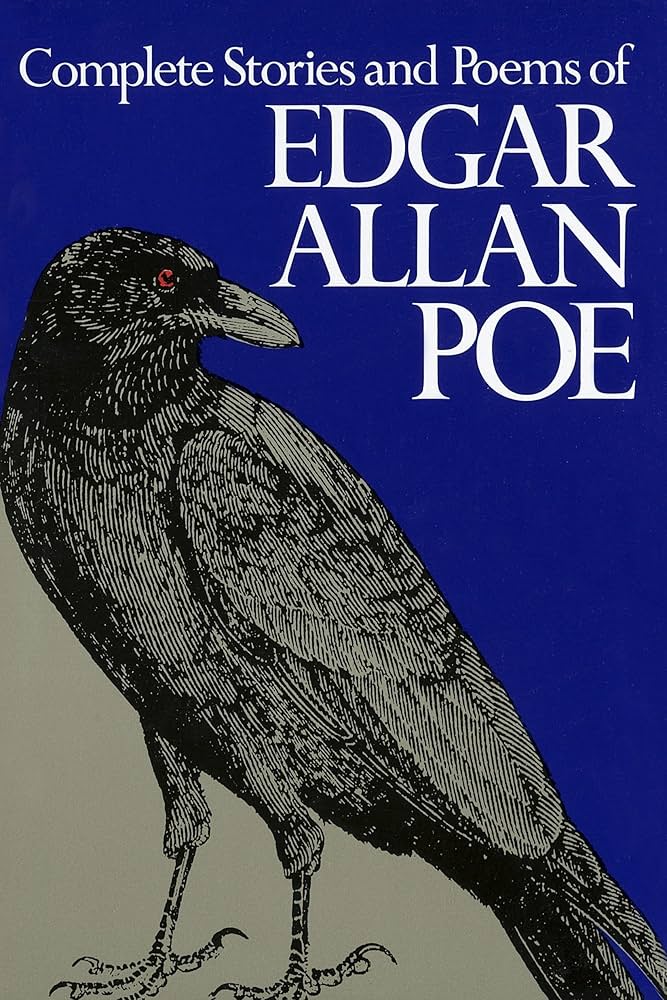
Edgar Allan Poe was one of the most original writers in the history of American letters, a genius who was tragically misunderstood in his lifetime. He was a seminal figure in the development of science fiction and the detective story, and exerted a great influence on Dostoyevsky, Arthur Conan Doyle, Jules Verne, and Charles Baudelaire, who championed him long before Poe was appreciated in his own country. Baudelaire’s enthusiasm brought Poe a wide audience in Europe, and his writing came to have enormous importance for modern French literature. This edition includes his most well-known works–“The Raven,” “The Pit and the Pendulum,” “Annabel Lee,” “The Fall of the House of Usher,” “The Murders in the Rue Morgue”–as well as less-familiar stories, poems, and essays.
DOWNLOAD
CHARLES DICKENS
A TALE OF TWO CITIES
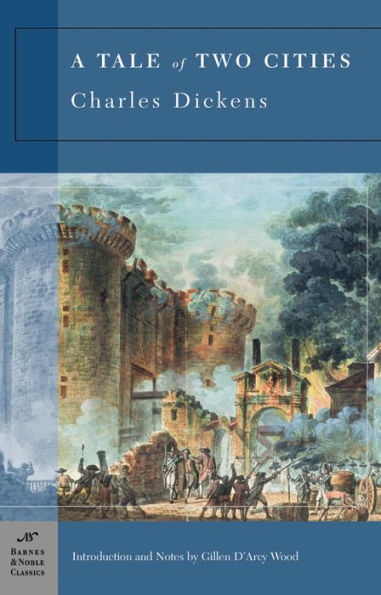
A Tale of Two Cities is a historical novel published in 1859 by English author Charles Dickens, set in London and Paris before and during the French Revolution. The novel tells the story of the French Doctor Manette, his 18-year-long imprisonment in the Bastille in Paris, and his release to live in London with his daughter Lucie whom he had never met. The story is set against the conditions that led up to the French Revolution and the Reign of Terror.
A Tale of Two Cities, Dickens’s best-known work of historical fiction, is said to be one of the best selling novels of all time.[2][3][4] In 2003, the novel was ranked 63rd on the BBC‘s The Big Read poll.[5] The novel has been adapted for film, television, radio, and the stage, and has continued to influence popular culture.
DOWNLOAD
CLIFFSNOTES ON DICKENS’ A TALE OF TWO CITIES
The original CliffsNotes study guides offer expert commentary on major themes, plots, characters, literary devices, and historical background. The latest generation of titles in this series also feature glossaries and visual elements that complement the classic, familiar format.
In CliffsNotes on A Tale of Two Cities, you experience one of Charles Dickens’s most important works as he recounts the horrors of the French Revolution in what amounts to a cautionary tale warning of the possibility of revolution in 18th-century England. From its first line (”It was the best of times, it was the worst of times”) to its last (”It is a far, far better thing that I do, than I have ever done; it is a far, far better rest that I go to than I have ever known”), Dickens’s novel of revolution, sacrifice, and redemption continues to captivate modern imaginations.
Chapter summaries and commentaries lead you through Dickens’s ”Tale,” and critical essays give you insight into the women of A Tale of Two Cities and the French Revolution. Other features that help you study include
- Character analyses of the main characters
- A character map that graphically illustrates the relationships among the characters
- A section on the life and background of Charles Dickens
- A review section that tests your knowledge
- A Resource Center full of books, articles, films, and Internet sites
Classic literature or modern modern-day treasure — you’ll understand it all with expert information and insight from CliffsNotes study guides.
DOWNLOAD
J.D. SALINGER
THE CATCHER IN THE RYE
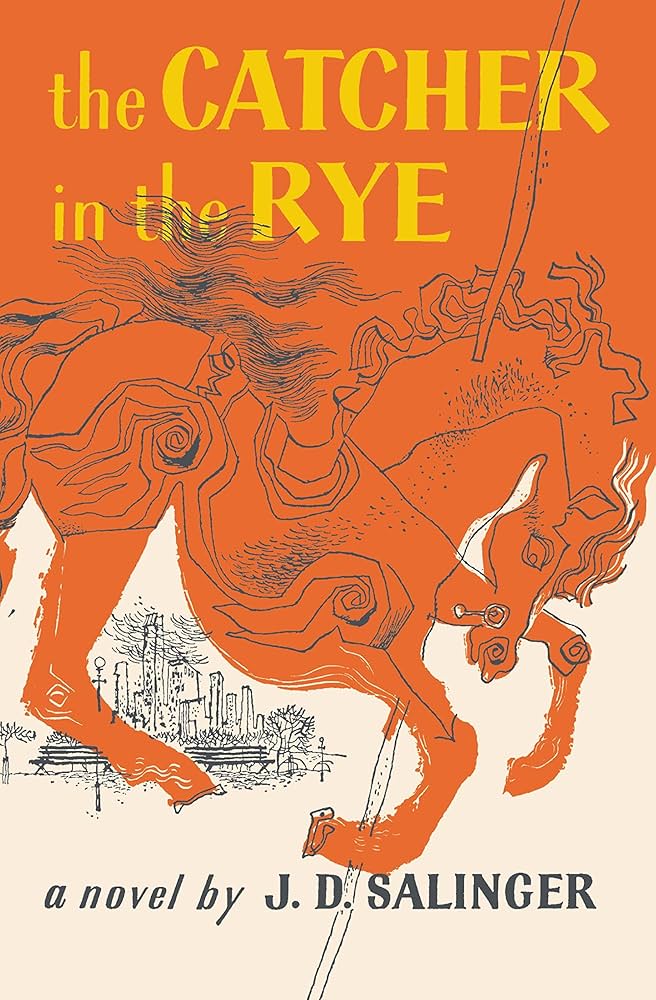
The Catcher in the Rye is a 1951 American coming-of-age novel by American author J. D. Salinger. It was partially published in serial form in 1945–46 before being novelized in 1951. Originally intended for adults, it is often read by adolescents for its themes of angst and alienation, and as a critique of superficiality in society.[4][5] The novel also deals with themes of innocence, identity, belonging, loss, connection, sex, and depression. The main character, Holden Caulfield, has become an icon for teenage rebellion.[6] Caulfield, nearly of age, gives his opinion on a wide variety of topics as he narrates his recent life events.
The Catcher in the Rye has been translated widely.[7] About one million copies are sold each year, with total sales of more than 65 million books.[8] The novel was included on Time‘s 2005 list of the 100 best English-language novels written since 1923,[9] and it was named by Modern Library and its readers as one of the 100 best English-language novels of the 20th century.[10][11][12] In 2003, it was listed at number 15 on the BBC’s survey “The Big Read“.
DOWNLOAD
THE COMPLETE WORKS OF WILLIAM SHAKESPEARE
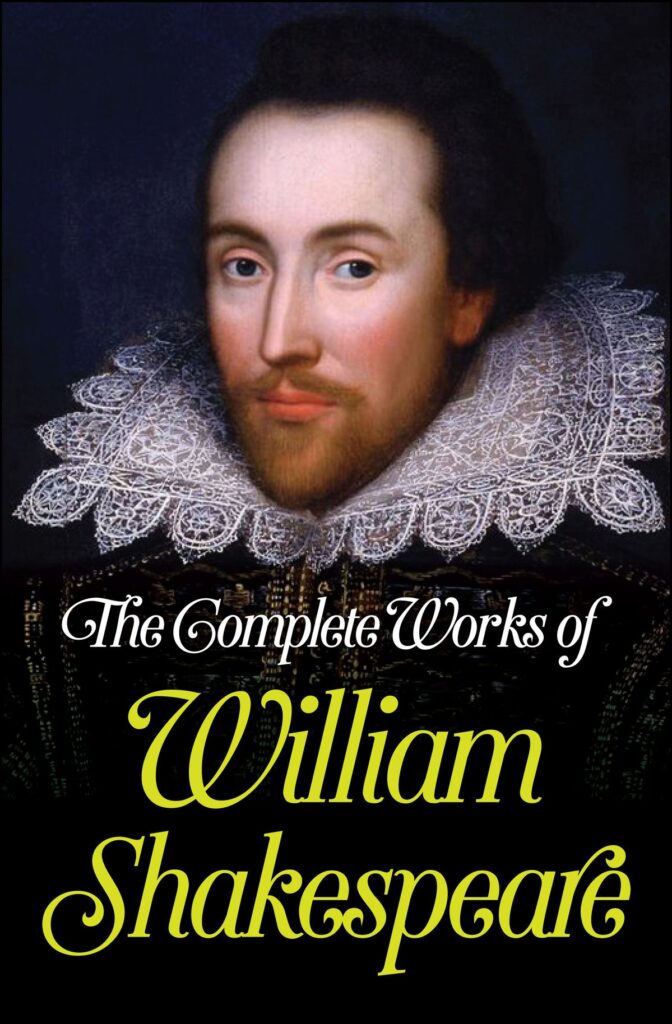
Features:
- illustrated with hundreds of beautiful images relating to Shakespeare’s life, locations and works
- annotated with concise introductions to the plays and other works
- images of how the plays first appeared in print, giving your Kindle a taste of the Elizabethan texts
- ALL 38 plays and each with their own contents table – navigate easily between acts and scenes – find that special quotation quickly!
- even includes 17 apocryphal plays, with mysterious works such as THE BIRTH OF MERLIN and VORTIGERN AND ROWENA, available nowhere else
- contains a special LOST PLAYS section, with concise information on Shakespeare’s lost works
- includes the special bonus play of DOUBLE FALSEHOOD, which the critic Lewis Theobald claimed was Shakespeare’s lost play in 1727. Decide for yourself – could this really be the long lost CARDENIO?
- ALL the sonnets and other poetry, with excellent formatting in their own special contents table – find that special sonnet quickly and easily!
- even includes apocryphal poems available nowhere else, presented with brief introductions
- special BONUS text of Charles and Mary Lamb’s adaptations for children, with their original Victorian artwork
- EVEN includes a special SOURCES section – spend hours exploring rare medieval texts that shaped Shakespeare’s greatest works. E.g. Thomas Kyd’s play that influenced HAMLET, Holinshed’s Chronicles that inspired history plays and the great MACBETH and many more!
- Geoffrey Chaucer’s classic works that inspired TROILUS AND CRESSIDA and TWO NOBLE KINSMEN
- boasts no less than 5 biographies – explore the bard’s mysterious life from multiple sources across history
- the SPECIAL literary criticism section boasts 11 works by writers as varied as Samuel Johnson, Coleridge, Pope, Bernard Shaw and Tolstoy
- scholarly ordering of texts into chronological order and literary genres
- a front MASTER table of contents, allowing easy navigation around Shakespeare’s oeuvre
- includes a special ‘Glossary of Elizabethan Language’, which will aid your comprehension of difficult words and phrases
- UPDATED with a complete re-editing of the plays’ formatting.
Finally, the world’s greatest writer receives the scholarly Delphi treatment. Of course, there are many Shakespeare collections available on the Kindle, which is why we have made this edition, like all our other titles, the most comprehensive and scholarly works available, with superior formatting. This incredible eBook offers every Shakespearean play, poem, apocryphal work and much, much more! Now you can truly own all of Shakespeare’s works and a wealth of BONUS material on your Kindle, and all in ONE well-organised file.
This eBook is quite simply stunning and deserves a place in the digital library of all lovers of literature.
The Plays
ALL 38 PLAYS
The Lost Plays
with information and DOUBLE FALSEHOOD
The Sources
LIST OF THE PLAYS’ SOURCES
The Apocryphal Plays
THE BIRTH OF MERLIN
VORTIGERN AND ROWENA and many more!
The Adaptations
TALES FROM SHAKESPEARE BY CHARLES AND MARY LAMB
The Poetry
THE SONNETS
VENUS AND ADONIS and more
The Apocryphal Poetry
TO THE QUEEN and more!
The Criticism
PREFACE TO SHAKESPEARE AND NOTES ON PLAY BY SAMUEL JOHNSON
ON SHAKESPEARE BY LEO TOLSTOY
EXTRACTS FROM WILLIAM SHAKESPEARE BY VICTOR HUGO
SHAKESPEARE’S ATTITUDE TOWARD THE WORKING CLASSES BY ERNEST CROSBY
A LETTER BY GEORGE BERNARD SHAW
and many more!
The Biographies
SOME ACCOUNT OF THE LIFE OF MR. WILLIAM SHAKESPEAR BY NICHOLAS ROWE
SHAKESPEARE: HIS LIFE, ART, AND CHARACTERS BY HENRY NORMAN HUDSON
LIFE OF WILLIAM SHAKESPEARE BY SIR SIDNEY LEE
SHAKESPEARE’S LOST YEARS IN LONDON BY ARTHUR ACHESON
THE PEOPLE FOR WHOM SHAKESPEARE WROTE BY CHARLES DUDLEY WARNER
Shakespeare’s Last Will and Testament
Glossary of Elizabethan Language
DOWNLOAD
THE OXFORD COMPANION TO SHAKESPEARE
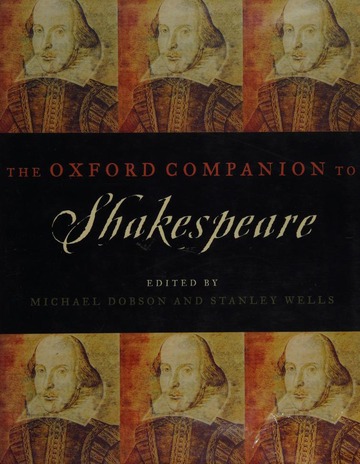
The Oxford Companion to Shakespeare is the most comprehensive reference work available on Shakespeare’s life, times, works, and his 400-year global legacy. In addition to the authoritative A-Z entries, it includes nearly 100 illustrations, a chronology, a guide to further reading, a thematic contents list, and special feature entries on each of Shakespeare’s works. Tying in with the 400th anniversary of Shakespeare’s death, this much-loved Companion has been revised and updated, reflecting developments and discoveries made in recent years and to cover the performance, interpretation, and the influence of Shakespeare’s works up to the present day.
First published in 2001, the online edition was revised in 2011, with updates to over 200 entries plus 16 new entries. These online updates appear in print for the first time in this second edition, along with a further 35,000 new and revised words. These include more than 80 new entries, ranging from important performers, directors, and scholars (such as Lucy Bailey, Samuel West, and Alfredo Michel Modenessi), to topics as diverse as Shakespeare in the digital age and the ubiquity of plants in Shakespeare’s works, to the interpretation of Shakespeare globally, from Finland to Iraq. To make information on Shakespeare’s major works easier to find, the feature entries have been grouped and placed in a centre section (fully cross-referenced from the A-Z). The thematic listing of entries – described in the press as ‘an invaluable panorama of the contents’ – has been updated to include all of the new entries. This edition contains a preface written by much-lauded Shakespearian actor Simon Russell Beale.
Full of both entertaining trivia and scholarly detail, this authoritative Companion will delight the browser and reward students, academics, as well as anyone wanting to know more about Shakespeare.
DOWNLOAD
MARK TWAIN
THE ADVENTURES OF HUCKLEBERRY FINN
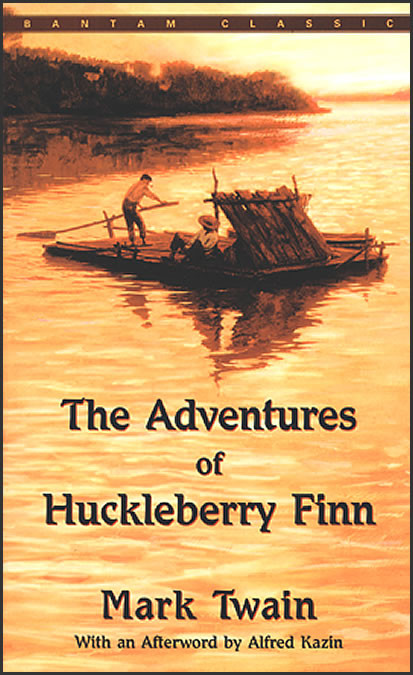
Adventures of Huckleberry Finn is a picaresque novel by American author Mark Twain that was first published in the United Kingdom in December 1884 and in the United States in February 1885. It is commonly named among the Great American Novels, and it is among the first in major American literature to be written throughout in vernacular English, characterized by local color regionalism. Being the direct sequel to The Adventures of Tom Sawyer, it is told in the first person by Huckleberry “Huck” Finn, the narrator of two other later Twain novels (Tom Sawyer Abroad and Tom Sawyer, Detective) and a friend of Tom Sawyer.
The book is noted for “changing the course of children’s literature” in the United States for the “deeply felt portrayal of boyhood”.[2] It is also known for its colorful description of people and places along the Mississippi River. Set in a Southern antebellum society that had ceased to exist over 20 years before the work was published, Adventures of Huckleberry Finn is an often scathing satire on entrenched attitudes, particularly racism.
Perennially popular with readers, Adventures of Huckleberry Finn has also been the continued object of study by literary critics since its publication. The book was widely criticized upon release because of its extensive use of coarse language and racial epithets. Throughout the 20th century, and despite arguments that the protagonist and the tenor of the book are anti-racist,[3][4] criticism of the book continued due to both its perceived use of racial stereotypes and its frequent use of the racial slur “nigger“.
DOWNLOAD
CLIFFSNOTES ON TWAIN’S HUCKLEBERRY FINN
The original CliffsNotes study guides offer expert commentary on major themes, plots, characters, literary devices, and historical background. The latest generation of titles in this series also feature glossaries and visual elements that complement the classic, familiar format.
In CliffsNotes on Huckleberry Finn, you follow the Mississippi River adventures of Mark Twain’s mischief-making protagonist Huck Finn and the runaway slave Jim.
Just like Huck’s makeshift raft, this study guide carries you along on his incredible journey by providing chapter summaries and critical analyses on life in the late-19th-century American south. You’ll also gain insight into the man behind this American classic — Mark Twain, a.k.a. Samuel Clemens. Other features that help you study include
- Character analyses of major players
- A character map that graphically illustrates the relationships among the characters
- Critical essays
- A review section that tests your knowledge
- A Resource Center full of books, articles, films, and Internet sites
Classic literature or modern modern-day treasure — you’ll understand it all with expert information and insight from CliffsNotes study guides.
DOWNLOAD
CLIFFSCOMPLETE MARK TWAIN’S ADVENTURES OF HUCKLEBERRY FINN
In the CliffsComplete guides, the novel’s complete text and a glossary appear side-by-side with coordinating numbered lines to help you understand unusual words and phrasing. You’ll also find all the commentary and resources of a standard CliffsNotes for Literature.
CliffsComplete Adventures of Huckleberry Finn offers insight and information into a work that’s rich both dramatically and thematically. Every generation since its publication has been able to identify with some of the novel’s themes, including freedom, society versus conscience, and greed.
Follow the Mississippi River adventures of this mischief-making Huck Finn and the runaway slave Jim — and save valuable studying time — all at once. Enhance your reading of The Adventures of Huckleberry Finn with these additional features:
- A summary and insightful commentary for each chapter
- Bibliography and historical background on the author, Mark Twain
- A look at 18th-century life and society
- Coverage of Twain’s writing and the reaction to the novel
- A character map that graphically illustrates the relationships among the characters
- Review questions, a quiz, discussion guide, and activity ideas
- A Resource Center full of books, articles, films, and Web sites
Streamline your literature study with all-in-one help from CliffsComplete guides!
DOWNLOAD
WILLIAM SHAKESPEARE
KING HENRY IV PART 1
Henry IV, Part 1 is a play by William Shakespeare, probably written in the mid-1590s and first published in quarto in 1598. It was composed in the later years of the reign of Elizabeth I, when questions of succession and political stability were prominent. Set in England in the early 1400s during the reign of Henry IV, the play depicts rebellion against the crown alongside the development of Prince Hal, the future Henry V, and examines themes of leadership and the formation of the heir apparent.
The play was among Shakespeare’s most popular works in his own time, as indicated by multiple early printings and the success of the character John Falstaff.[1] It has remained one of his most frequently performed plays, noted for its combination of political drama and comic scenes and for its treatment of leadership and public identity.
DOWNLOAD
CLIFFSNOTES ON SHAKESPEARE’S KING HENRY IV PART 1
This popular play entertains and inspires in alternating comic scenes and serious ones and is the birthplace of one of the theater’s greatest characters, Sir John Falstaff. Young Prince Hal rebels against his father the king until he must go to the king’s aid to stamp out the rebellion of nobles.
DOWNLOAD
CLIFFSCOMPLETE WILLIAM SHAKESPEARE’S KING HENRY IV, PART 1
In the CliffsComplete guides, the novel’s complete text and a glossary appear side-by-side with coordinating numbered lines to help you understand unusual words and phrasing. You’ll also find all the commentary and resources of a standard CliffsNotes for Literature.CliffsComplete King Henry IV, Part 1 follows the play’s alternating comic and serious scenes as a young prince rebels against his father, who happens to be king, until he must go to the king’s aid to stamp out the rebellion of nobles. Discover a story of self-sacrifice and meet one of the theatre’s most enduring comic characters, Falstaff — and save valuable studying time — all at once. Enhance your reading of King Henry IV with these additional features:A summary and insightful commentary for each chapterBibliography and historical background on the author, William ShakespeareA look at Early Modern England intellectual, religious, political, and social contextCoverage of key themes and use of language within the workA character map that graphically illustrates the relationships among the charactersReview questions, a quiz, discussion guide, and activity ideasA Resource Center full of books, articles, films, and Web sitesStreamline your literature study with all-in-one help from CliffsComplete guides!
DOWNLOAD
HENRY DAVID THOREAU
WALDEN
Walden (/ˈwɔːldən/; first published as Walden; or, Life in the Woods) is an 1854 book by American transcendentalist writer Henry David Thoreau. The text is a reflection upon the author’s simple living in natural surroundings. The work is part personal declaration of independence, social experiment, voyage of spiritual discovery, satire, and—to some degree—a manual for self-reliance.[2]
Walden details Thoreau’s experiences over the course of two years, two months, and two days in a cabin he built near Walden Pond amidst woodland owned by his friend and mentor Ralph Waldo Emerson, near Concord, Massachusetts.
Thoreau makes precise scientific observations of nature as well as metaphorical and poetic uses of natural phenomena. He identifies many plants and animals by both their popular and scientific names, records in detail the color and clarity of different bodies of water, precisely dates and describes the freezing and thawing of the pond, and recounts his experiments to measure the depth and shape of the bottom of the supposedly “bottomless” Walden Pond.
DOWNLOAD
COMPLETE WORKS OF MARK TWAIN
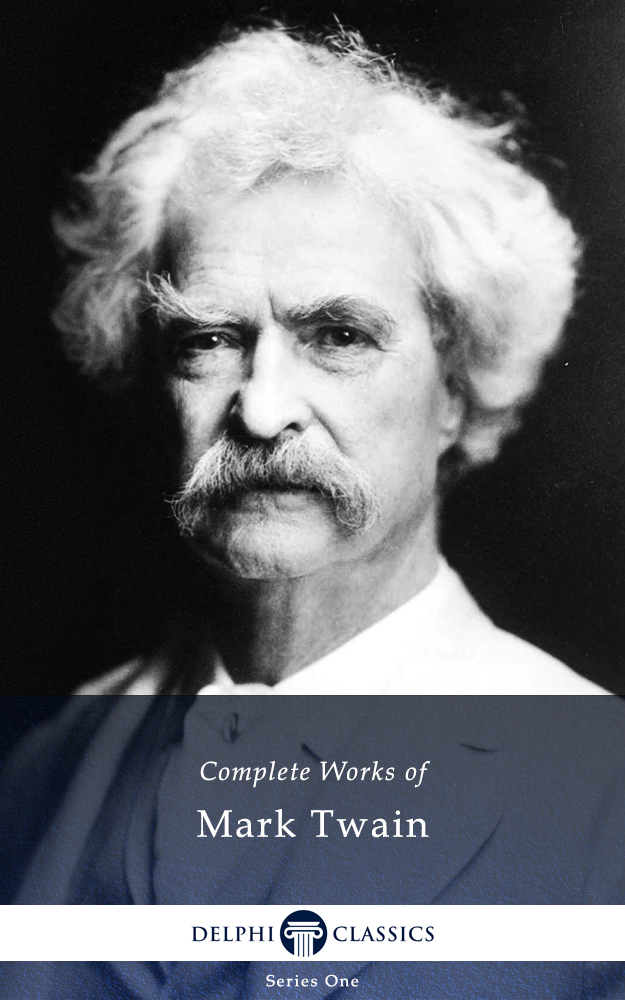
The novelist, humorist and reporter Mark Twain acquired international fame for his travel narratives and adventure stories of boyhood, which are now celebrated classics of American literature. A gifted raconteur, distinctive humorist and irascible moralist, he became a popular public figure and one of America’s best and most beloved writers. This comprehensive eBook presents Twain’s complete works, with numerous illustrations, rare texts appearing in digital print for the first time, informative introductions and the usual Delphi bonus material.
DOWNLOAD
THE OXFORD COMPANION TO MARK TWAIN
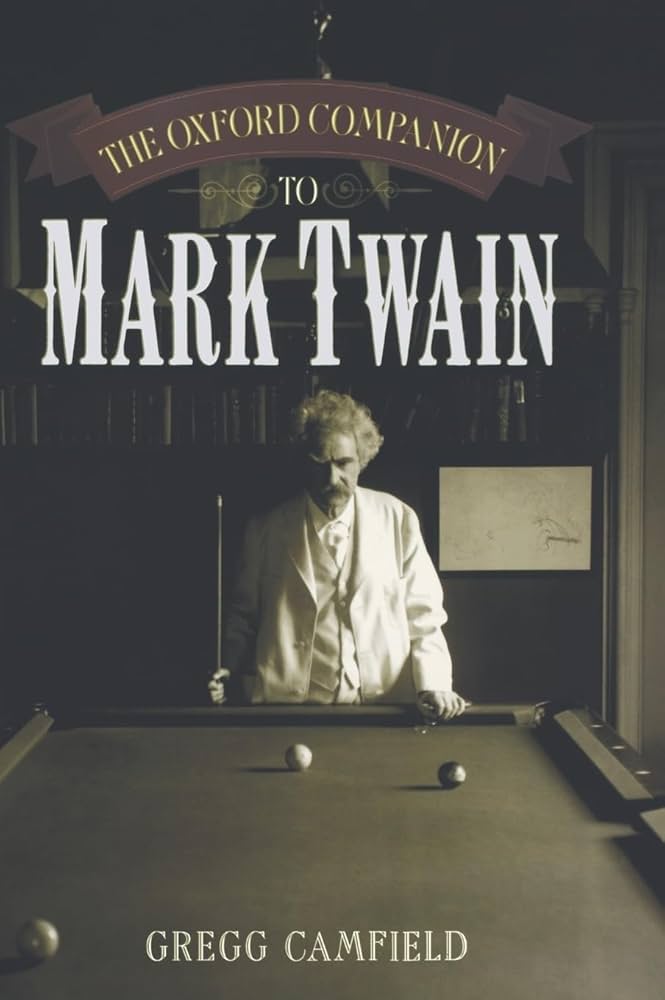
For what scandalous reason was the original publication of The Adventures of Huckleberry Finn delayed? What were the names of Samuel Clemens pets? How are his attitudes towards politics and religion revealed in his work? Find the answers to these questions and many more in The Oxford
Companion to Mark Twain, which encapsulates the most important scholarship on Twain’s life, his works, and his times.
Organized in an A-Z format, the volume contains entries on all of his works, people and places related to his biography, and analyses of Twain’s takes on a variety of topics, from confidence games to slavery. It also features five essays by major Mark Twain scholars on important aspects of his life
and work, and interspersed throughout are essays on selected Twain classics by such literary luminaries as Arthur Miller, Frederick Pohl, and Nat Hentoff.
Featuring an extensive bibliography, a comprehensive index, a chronology of Twain’s works, and over forty illustrations,The Oxford Companion to Mark Twain is the most authoritative and complete reference work available and is perfect for student and fan alike.
DOWNLOAD
EPIC OF GILGAMESH
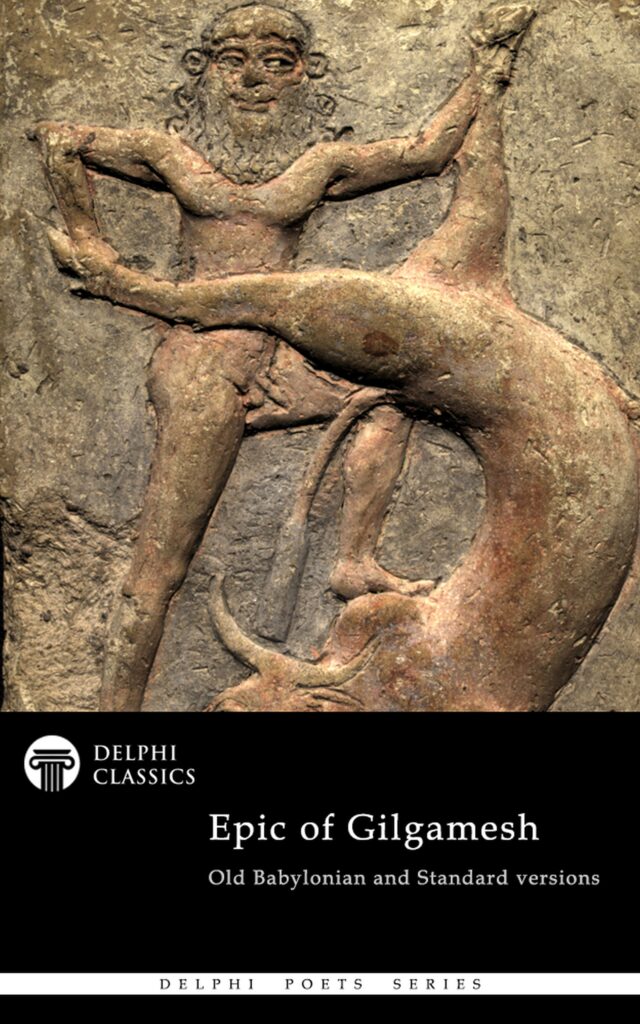
The Epic of Gilgamesh (/ˈɡɪlɡəmɛʃ/)[2] is an epic from ancient Mesopotamia. The literary history of Gilgamesh begins with five Sumerian poems about Gilgamesh (the variant “Bilgames” was once thought to be the earlier Sumerian form[3]), king of Uruk, some of which may date back to the Third Dynasty of Ur (c. 2100 BCE).[1] These independent stories were later used as source material for a combined epic in Akkadian. The first surviving version of this combined epic, known as the “Old Babylonian” version, dates back to the 18th century BCE and is titled after its incipit, Shūtur eli sharrī (“Surpassing All Other Kings”). Only a few tablets of it have survived. The later Standard Babylonian version compiled by Sîn-lēqi-unninni dates to somewhere between the 13th and 10th centuries BCE and bears the incipit Sha naqba īmuru[note 1] (“He Who Saw the Deep(s)”, lit. ”He Who Sees the Unknown”). About two-thirds of this longer, 12-tablet version have been recovered. Some of the best copies were discovered in the library ruins of the 7th-century BCE Assyrian King Ashurbanipal.
The first part of the story discusses Gilgamesh, king of Uruk, and Enkidu, a wild man created by the gods to stop Gilgamesh from oppressing his people. After Enkidu becomes civilized through sexual initiation with Shamhat, he travels to Uruk, where he challenges Gilgamesh to a test of strength. Gilgamesh wins the contest; nonetheless, the two become friends. Together, they make a six-day journey to the legendary Cedar Forest, where they ultimately slay its guardian, Humbaba, and cut down the sacred cedar.[5] The goddess Ishtar sends the Bull of Heaven to punish Gilgamesh for spurning her advances. Gilgamesh and Enkidu kill it, insulting Ishtar in the process. The gods decide to sentence Enkidu to death by giving him a fatal illness.
In the second part of the epic, distress over Enkidu’s death causes Gilgamesh to undertake a long and perilous journey to discover the secret of eternal life. Finally, he meets Utnapishtim and his wife, the only humans to survive the flood triggered by the gods (cf. Athra-Hasis). Gilgamesh learns from him that “Life, which you look for, you will never find. For when the gods created man, they let death be his share, and life withheld in their own hands”.[6][7]
The epic is regarded as a foundational work in religion and the tradition of heroic sagas, with Gilgamesh forming the prototype for later heroes such as Heracles (Hercules) and the epic itself serving as an influence for Homeric epics.[8] It has been translated into many languages and is featured in several works of popular fiction.
DOWNLOAD
HOMER
THE ILIAD
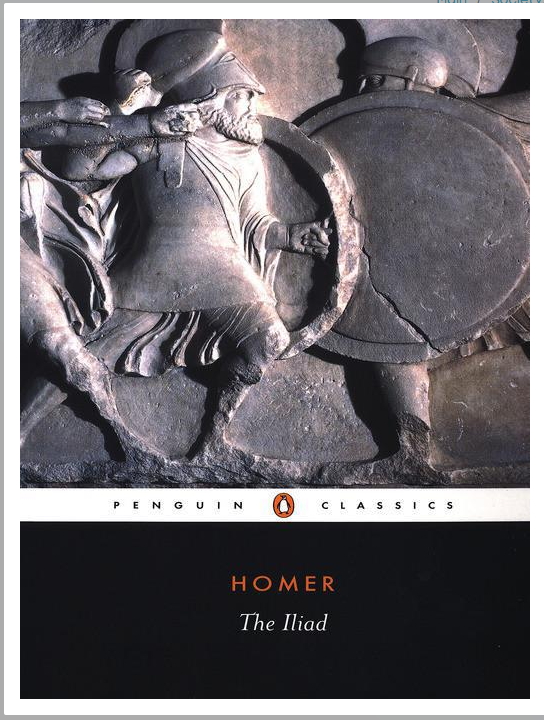
The Iliad (/ˈɪliəd/ ⓘ;[2] Ancient Greek: Ἰλιάς, romanized: Iliás, [iːli’as]; lit. '[a poem] about Ilion (Troy)‘) is one of two major ancient Greek epic poems attributed to Homer. It is one of the oldest extant works of literature still widely read by modern audiences. Like the Odyssey, the poem is divided into 24 books and was written in dactylic hexameter. It contains 15,693 lines in its standard edition. The Iliad is often regarded as the first substantial piece of European literature and is a central part of the Epic Cycle.[3]
Set toward the end of the Trojan War, a 10-year siege of the city of Troy by a coalition of Mycenaean Greek states, the poem depicts significant events in the war’s final weeks. In particular, it traces the anger (μῆνις) of Achilles, a celebrated warrior, from a fierce quarrel between him and King Agamemnon, to the death of the Trojan prince Hector.[4][5] The narrative moves between wide battleground scenes and more personal interactions.
The Iliad and the Odyssey were likely composed in Homeric Greek, a literary mixture of Ionic Greek and other dialects, around the mid 7th century BCE (according to the most up to date consensus).[1] Although the poem’s composition has been extensively debated in contemporary scholarship, involving debates such as whether the Iliad and the Odyssey were composed independently, and whether they survived via an oral or also written tradition.[6] The poem was performed by professional reciters of Homer known as rhapsodes at Greek festivals such as The Great Panathenaia.[7][8]
Critical themes in the poem include kleos (glory), pride, fate, and wrath.[9] Despite being predominantly known for its tragic and serious themes, the poem also contains instances of comedy and laughter.[10] The poem is frequently described as a “heroic” epic, centred around issues such as war, violence, and the heroic code. It contains detailed descriptions of ancient warfare, including battle tactics and equipment. However, it also explores the social and domestic side of ancient culture in scenes behind the walls of Troy and in the Greek camp. Additionally, the Olympian gods play a major role in the poem, aiding their favoured warriors on the battlefield and intervening in personal disputes.[11] Their anthropomorphic characterisation in the poem humanised them for Ancient Greek audiences, giving a concrete sense of their cultural and religious tradition. In terms of formal style, the poem’s formulae, use of similes, and epithets are often explored by scholars.[12]
DOWNLOAD
WILLIAM SHAKESPEARE
THE TAMING OF THE SHREW
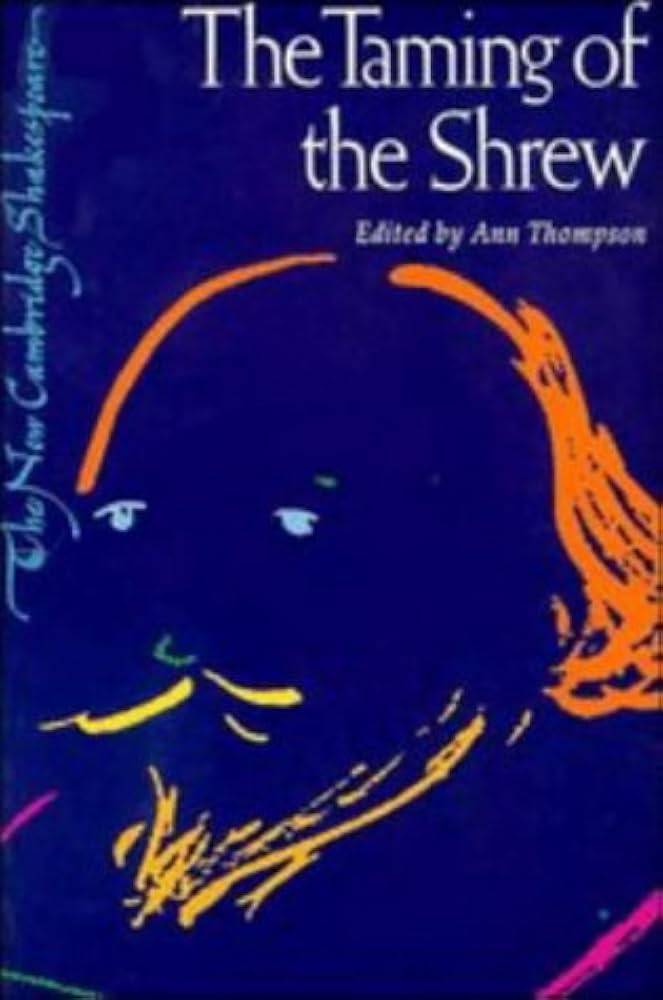
The Taming of the Shrew is a comedy by William Shakespeare written between 1590 and 1592. The play begins with a framing device, often referred to as the induction,[a] in which a mischievous nobleman tricks a drunken tinker named Christopher Sly into believing he is actually a nobleman himself. The nobleman then has the play performed for Sly’s diversion.
The main plot depicts the courtship of Petruchio and Katherina, the headstrong, obdurate shrew. Initially, Katherina is an unwilling participant in the relationship; however, Petruchio “tames” her with various psychological and physical torments, such as keeping her from eating and drinking, until she becomes a desirable, compliant, and obedient bride. The subplot features a competition among the suitors of Katherina’s younger sister, Bianca, who is seen as the “ideal” woman. The question of whether the play is misogynistic has become the subject of considerable controversy.
The Taming of the Shrew has been adapted numerous times for stage, screen, opera, ballet, and musical theatre, perhaps the most famous adaptations being Cole Porter‘s Kiss Me, Kate; McLintock!, a 1963 American Western comedy film, starring John Wayne and Maureen O’Hara; and the 1967 film of the play, starring Elizabeth Taylor and Richard Burton. The 1999 high-school comedy film 10 Things I Hate About You and the 2003 romantic comedy Deliver Us from Eva are also loosely based on the play.
DOWNLOAD
CLIFFSNOTES ON SHAKESPEARE’S THE TAMING OF THE SHREW
The original CliffsNotes study guides offer expert commentary on major themes, plots, characters, literary devices, and historical background. The latest generation of titles in this series also feature glossaries and visual elements that complement the classic, familiar format.
In CliffsNotes on The Taming of the Shrew, you explore one of Shakespeare’s most beloved, and imitated, works. In this play within a play, Petruchio, the man from Verona, marries Kate (the shrew of the story), so that Kate’s younger sister Bianca may be allowed to take on several suitors and choose one to marry.
Summaries and commentaries lead you, act by act, through this Shakespearean classic, and critical essays give you insight into Shakespeare’s historical basis for the play, as well as role playing in The Taming of the Shrew . Other features that help you study include
- Character analyses of the main characters
- A character map that graphically illustrates the relationships among the characters
- A section on the life and background of William Shakespeare
- A review section that tests your knowledge
- A Resource Center full of books, articles, films, and Internet sites
Classic literature or modern modern-day treasure — you’ll understand it all with expert information and insight from CliffsNotes study guides.
DOWNLOAD
CLIFFSCOMPLETE WILLIAM SHAKESPEARE’S THE TAMING OF THE SHREW
In the CliffsComplete guides, the play’s complete text and a glossary appear side-by-side with coordinating numbered lines to help you understand unusual words and phrasing. You’ll also find all the commentary and resources of a standard CliffsNotes for Literature.CliffsComplete The Taming of the Shrew is one of Shakespeare’s most beloved, and imitated, works. In this play within a play, Petruchio, the man from Verona, marries Kate (the shrew of the story), so that Kate’s younger sister Bianca may be allowed to take on several suitors and choose one to marry.Discover what happens to Petruchio and Kate — and save valuable studying time — all at once. Enhance your reading of The Taming of the Shrew with these additional features:A summary and insightful commentary for each actBibliography and historical background on the author, William ShakespeareA look at the historical context and structure of the playDiscussions on the plays symbols and themesA character map that graphically illustrates the relationships among the charactersReview questions, a quiz, discussion topics (essay questions), activity ideasA Resource Center full of books, articles, films, and Internet sitesStreamline your literature study with all-in-one help from CliffsComplete guides!
DOWNLOAD
JOHN STEINBECK
THE GRAPES OF WRATH
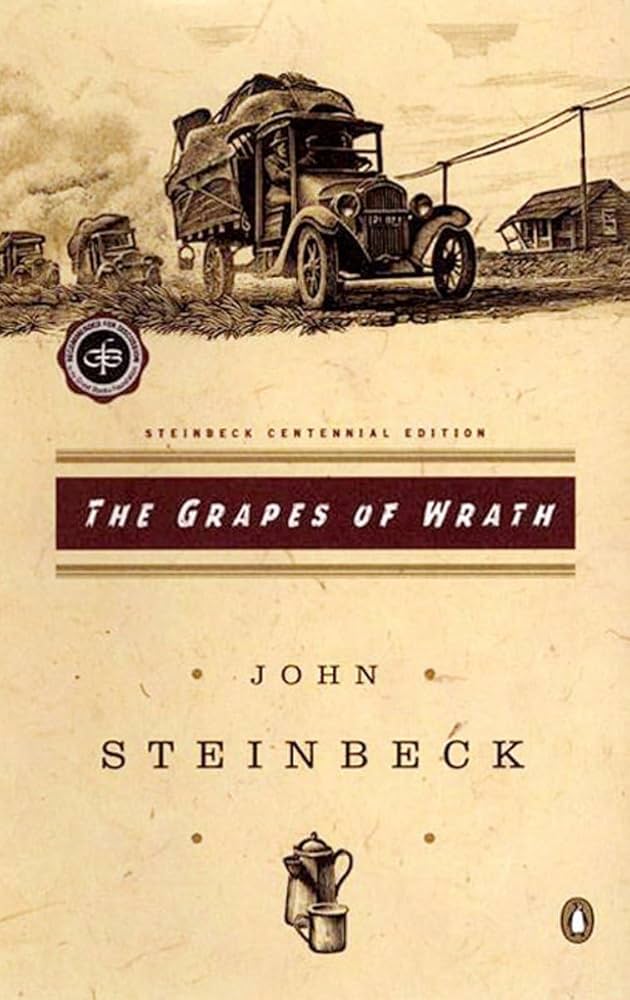
The Grapes of Wrath is an American realist novel written by John Steinbeck and published in 1939.[2] The book won the National Book Award[3] and Pulitzer Prize[4] for fiction, and it was cited prominently when Steinbeck was awarded the Nobel Prize in Literature in 1962.[5]
Set during the Great Depression, the novel focuses on the Joads, a poor family of tenant farmers driven from their Oklahoma home by drought, economic hardship, agricultural industry changes, and bank foreclosures forcing tenant farmers out of work. Due to their nearly hopeless situation, and in part because they are trapped in the Dust Bowl, the Joads set out for California on the “mother road“, along with thousands of other “Okies” seeking jobs, land, dignity, and a future.
The Grapes of Wrath is often listed as among the greatest novels in the English language and as a contender for the Great American Novel. It is frequently read in American high school and college literature classes due to its historical context and enduring legacy.[6] A Hollywood film version, starring Henry Fonda and directed by John Ford, was released in 1940.
DOWNLOAD
CLIFFSNOTES ON STEINBECK’S THE GRAPES OF WRATH
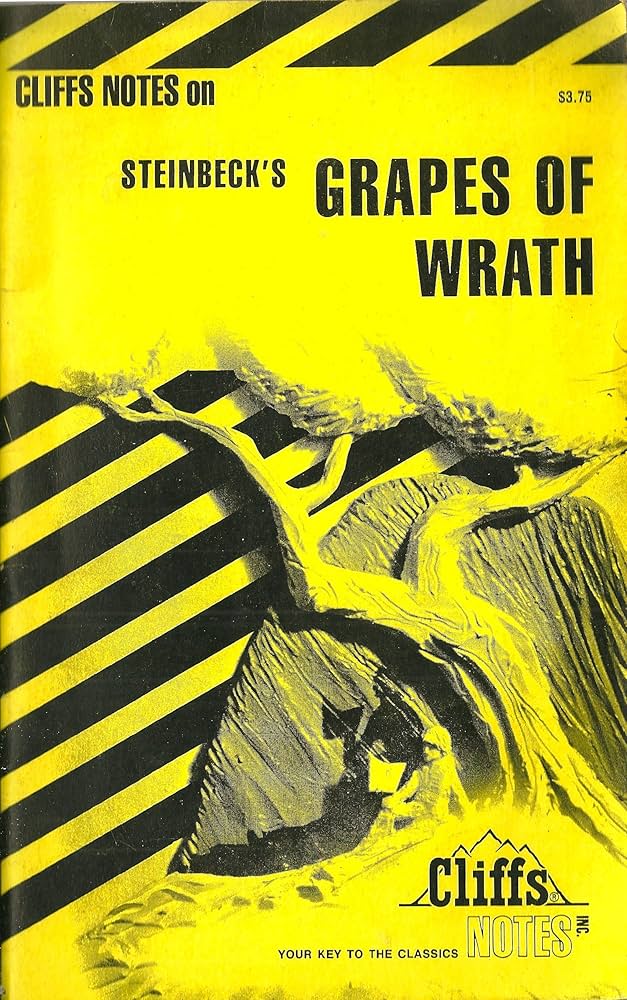
The original CliffsNotes study guides offer a look into key elements and ideas within classic works of literature. CliffsNotes on The Grapes of Wrath explores John Steinbeck’s Pulitzer Prize-winning –and controversial – novel, a work based on the what the author saw for himself as a reporter covering migrant worker camps. Following the story of the Joad family as they travel from the Oklahoma Dust Bowl to California in search of farming opportunities and wealth, this study guide provides summaries and critical commentaries for each part within the novel.
DOWNLOAD
W.K.C. GUTHRIE
SOCRATES
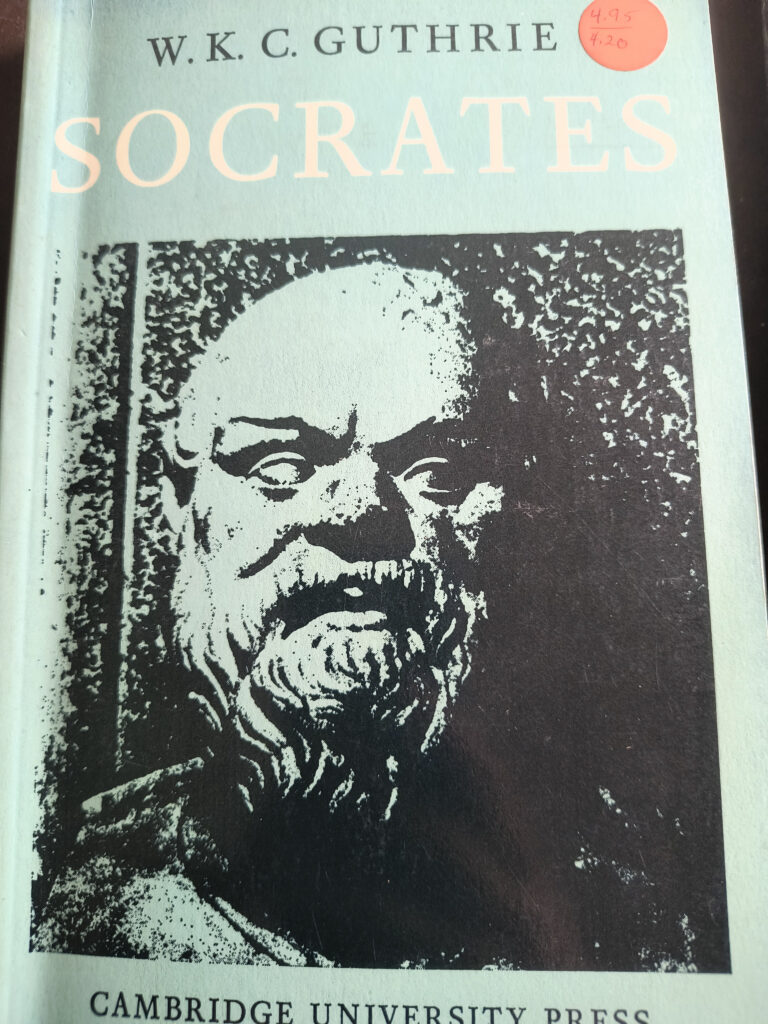
The third volume of Professor Guthrie’s great history of Greek thought, entitled The Fifth-Century Enlightenment, deals in two parts with the Sophists and Socrates, the key figures in the dramatic and fundamental shift of philosophical interest from the physical universe to man. Each of the two parts is available as a paperback with the text, bibliography and indexes amended where necessary so that each part is self-contained. Socrates dominated the controversies of this period, as he has dominated the subsequent history of western philosophy. He was the first to identify and grapple with some of the most intractable and persistent logical and philosophical problems; but he was also and has remained a highly controversial figure because of his extraordinary personal qualities and his remarkable career. Professor Guthrie offers a balanced and comprehensive picture of the man, his life, and his thought.
DOWNLOAD
A COMPANION TO SOCRATES
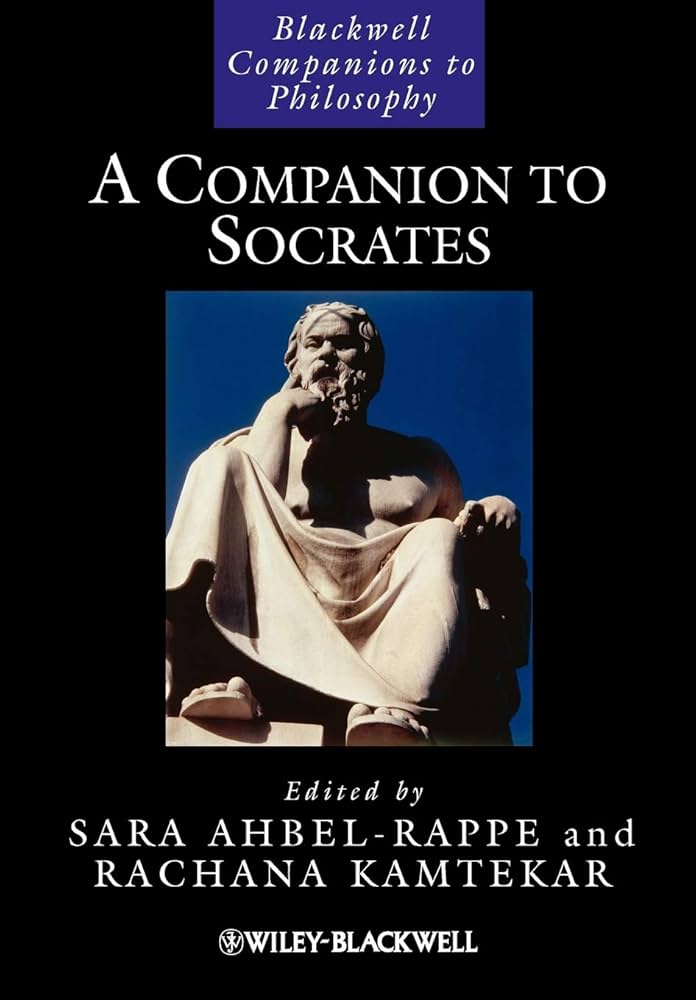
Written by an outstanding international team of scholars, this Companion explores the profound influence of Socrates on the history of Western philosophy.
- Discusses the life of Socrates and key philosophical doctrines associated with him
- Covers the whole range of Socratic studies from the ancient world to contemporary European philosophy
- Examines Socrates’ place in the larger philosophical traditions of the Hellenistic world, the Roman Empire, the Arabic world, the Renaissance, and contemporary Europe
- Addresses interdisciplinary subjects such as Socrates and Nietzsche, Socrates and psychoanalysis, and representations of Socrates in art
- Helps readers to understand the meaning and significance of Socrates across the ages
DOWNLOAD
WILLIAM SHAKESPEARE
JULIUS CAESAR
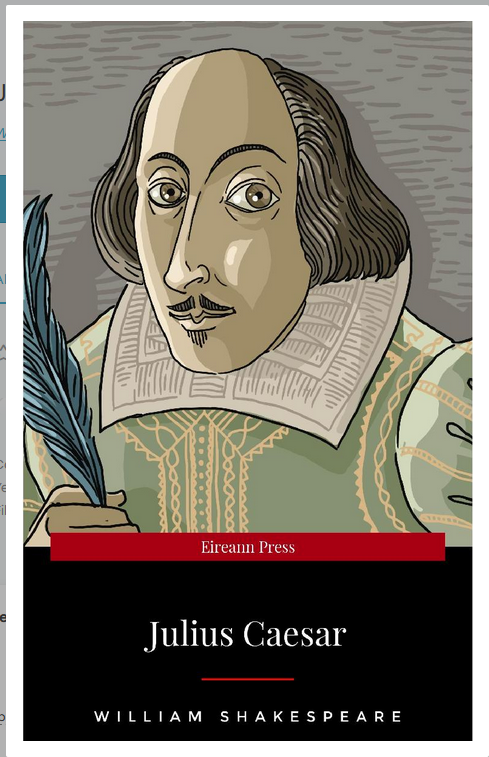
The Tragedy of Julius Caesar (First Folio title: The Tragedie of Ivlivs Cæsar), often shortened to Julius Caesar, is a historical tragedy by William Shakespeare, believed to have been written and first performed in 1599. The play portrays the political conspiracy that led to the assassination of the Roman dictator Julius Caesar and Rome’s subsequent civil war. Drawing primarily (with deviations in various aspects) from Sir Thomas North‘s 1579 translation of Parallel Lives by Plutarch, Shakespeare presents a dramatised account of Caesar’s growing power, his murder by a group of senators led by Cassius and Brutus, and the defeat of the conspirators by the forces of Mark Antony and Octavius at the Battle of Philippi.
Although named after Caesar, the play focuses largely on Brutus, whose moral and political dilemmas have often led critics to regard him as its tragic hero. Central themes include the tension between personal loyalty and public duty, the use of rhetoric in politics, and the fragility of republican governance in the face of ambition and power. Julius Caesar was among the first plays performed at the Globe Theatre and has remained one of Shakespeare’s most frequently staged works. It has been adapted in numerous forms and interpreted in diverse political contexts, reflecting concerns from Elizabethan debates on succession to modern discussions of dictatorship and democracy. The play is widely studied for its exploration of character, persuasion, and political morality, and it continues to influence literature, theater, and political discourse.
DOWNLOAD
CLIFFSNOTES ON SHAKESPEARE’S JULIUS CAESAR
The original CliffsNotes study guides offer summaries and expert commentary on major themes, plots, characters, literary devices, and historical background. The latest generation of titles in this series also feature glossaries and visual elements that complement the classic, familiar format.
In CliffsNotes on Julius Caesar, you follow the dramatic political battles of Rome during the height of the Pax Romanum. Shakespeare pits Caesar against an untold number of conspirators and lets the daggers fly. In the end, who will carry on the rule of the Caesars?
This user-friendly guide makes studying a snap — with visual icons flagging key themes, literary devices, and more. You’ll come to understand the overall structure of the play, actions and motivations of the characters, and the social and cultural perspectives of the author. Features that help you study include
- Shakespeare’s background and career highlights
- Scene-by-scene summaries
- Character analyses of major players
- A character map that graphically illustrates the relationships among the characters
- Critical essays
- A review section that tests your knowledge
- Glossaries of key words and terms
Classic literature or modern modern-day treasure — you’ll understand it all with expert information and insight from CliffsNotes study guides.
DOWNLOAD
CLIFFSCOMPLETE WILLIAM SHAKESPEARE’S JULIUS CAESAR
In the CliffsComplete guides, the novel’s complete text and a glossary appear side-by-side with coordinating numbered lines to help you understand unusual words and phrasing. You’ll also find all the commentary and resources of a standard CliffsNotes for Literature.CliffsComplete Julius Caesar offers insight and information into a work that’s rich both dramatically and thematically. Every generation since Shakespeare’s time has been able to identify with some political aspect of the play.Discover what happens to Rome’s highly ambitious leader and to those who conspire to remove him from the ranks — and save valuable studying time — all at once. Enhance your reading of Julius Caesar with these additional features:A summary and insightful commentary for each chapterBibliography and historical background on the author, William ShakespeareA look at Early Modern England intellectual, religious, political, and social contextCoverage of Shakespeare’s source and the play’s performance historyA character map that graphically illustrates the relationships among the charactersReview questions, a quiz, discussion guide, and activity ideasA Resource Center full of books, articles, films, and Web sitesStreamline your literature study with all-in-one help from CliffsComplete guides!
DOWNLOAD
WILLIAM SHAKESPEARE
THE FIRST PART OF KING HENRY VI
Henry VI, Part 1, often referred to as 1 Henry VI, is a history play by William Shakespeare—possibly in collaboration with Thomas Nashe and others—believed to have been written in 1591. It is set during the lifetime of King Henry VI of England.
Henry VI, Part 1 deals with the loss of England’s French territories and the political machinations leading up to the Wars of the Roses, as the English political system is torn apart by personal squabbles and petty jealousy. Henry VI, Part 2 deals with the King’s inability to quell the bickering of his nobles and the inevitability of armed conflict and Henry VI, Part 3 deals with the horrors of that conflict.
Although the Henry VI trilogy may not have been written in chronological order, the three plays are often grouped together with Richard III to form a tetralogy covering the entire Wars of the Roses saga, from the death of Henry V in 1422 to the rise to power of Henry VII in 1485. It was the success of this sequence of plays that firmly established Shakespeare’s reputation as a playwright.
Some regard Henry VI, Part 1 as the weakest of Shakespeare’s plays.[1] Along with Titus Andronicus, it is generally considered one of the strongest candidates for evidence that Shakespeare collaborated with other dramatists early in his career.
DOWNLOAD
WILLIAM SHAKESPEARE
THE SECOND PART OF KING HENRY VI
Henry VI, Part 2 (1591) is a Shakespearean history play about King Henry VI of England‘s inability to quell the bickering of his noblemen, the death of his trusted advisor Humphrey, Duke of Gloucester, and the political rise of Richard of York, 3rd Duke of York; it culminates with the First Battle of St Albans (1455), the initial battle of the Wars of the Roses, which were civil wars between the House of Lancaster and the House of York.
In the early historical narrative of Henry VI, Part 1 (1591), William Shakespeare deals with the low morale consequent to the loss of England’s French territories (1429–1453) during the Hundred Years’ War (1337–1453) and the political machinations that precipitated the Wars of the Roses (1455–1487). In the concluding play, Henry VI, Part 3 (1591), he deals with the fraternal horrors of civil war amongst Englishmen.
In English literature, The Tragedy of Richard III (1594) is included with the trilogy of stageplays about King Henry VI to make up an informal tetralogy of history plays about the family sagas that motivated the Wars of the Roses for control of the throne of England. Shakespeare’s historical narrative begins with the death of Henry V of England in 1422 and continues for sixty-three years to the ascent of Henry VII of England in 1485.
DOWNLOAD
WILLIAM SHAKESPEARE
THE THIRD PART OF KING HENRY VI
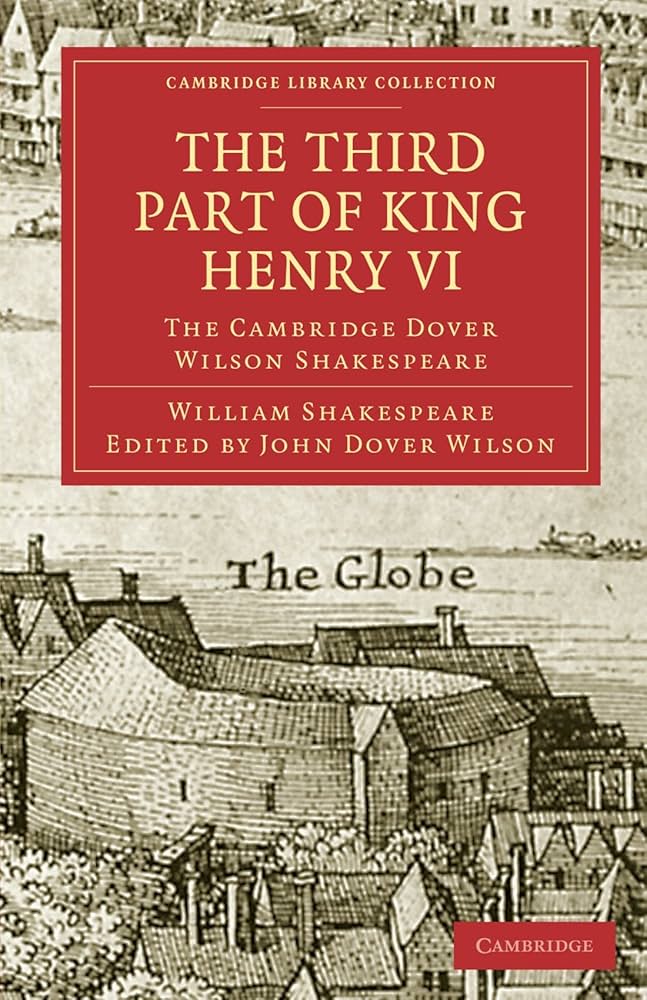
Henry VI, Part 3 (often written as 3 Henry VI) is a history play by William Shakespeare believed to have been written in 1591 and set during the lifetime of King Henry VI of England. Whereas 1 Henry VI deals with the loss of England’s French territories and the political machinations leading up to the Wars of the Roses and 2 Henry VI focuses on the King’s inability to quell the bickering of his nobles, and the inevitability of armed conflict, 3 Henry VI deals primarily with the horrors of that conflict, with the once stable nation thrown into chaos and barbarism as families break down and moral codes are subverted in the pursuit of revenge and power.
Although the Henry VI trilogy may not have been written in chronological order, the three plays are often grouped together with Richard III to form a tetralogy covering the entire Wars of the Roses saga, from the death of Henry V in 1422 to the rise to power of Henry VII in 1485. It was the success of this sequence of plays that firmly established Shakespeare’s reputation as a playwright.
Henry VI, Part 3 features one of the longest soliloquies in all of Shakespeare (3.2.124–195) and has more battle scenes (four on stage, one reported) than any other of Shakespeare’s plays.
DOWNLOAD
THE COMPLETE CHARLES DICKENS COLLECTION
DOWNLOAD
THE CAMBRIDGE COMPANION TO CHARLES DICKENS
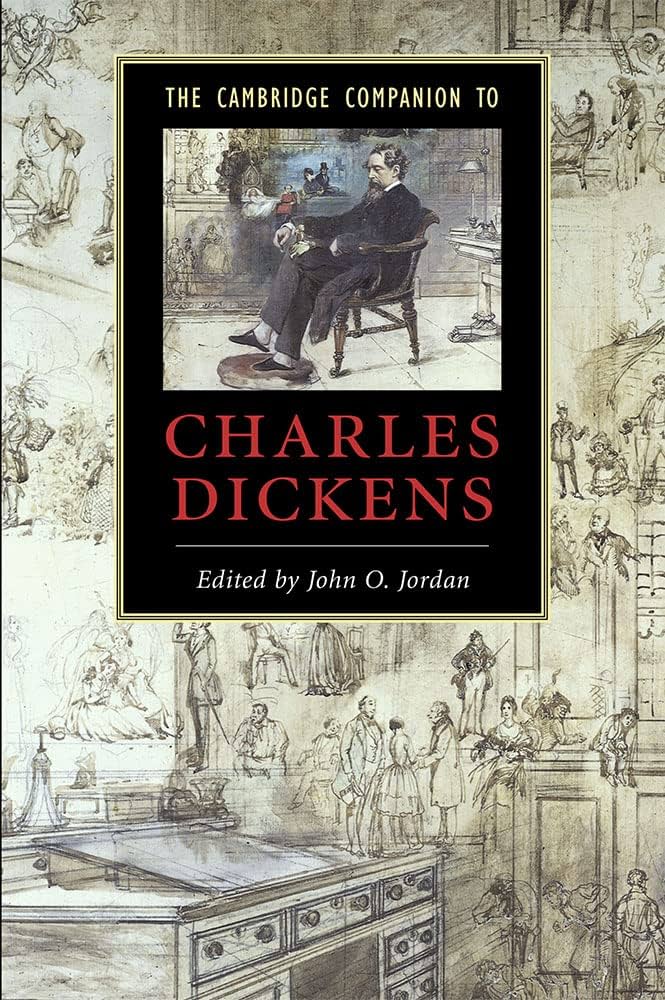
The Cambridge Companion to Charles Dickens contains fourteen chapters by leading international scholars that cover the whole range of Dickens’ writing. Separate chapters address important thematic topics: childhood, the city, and domestic ideology. Others consider formal features of the novels, including their serial publication and Dickens’ distinctive use of language. The volume as a whole offers a valuable introduction to Dickens for students and general readers, as well as fresh insights, informed by recent critical theory, that will be of interest to scholars and teachers of his novels.
DOWNLOAD
FYODOR DOSTOEVSKY
CRIME AND PUNISHMENT
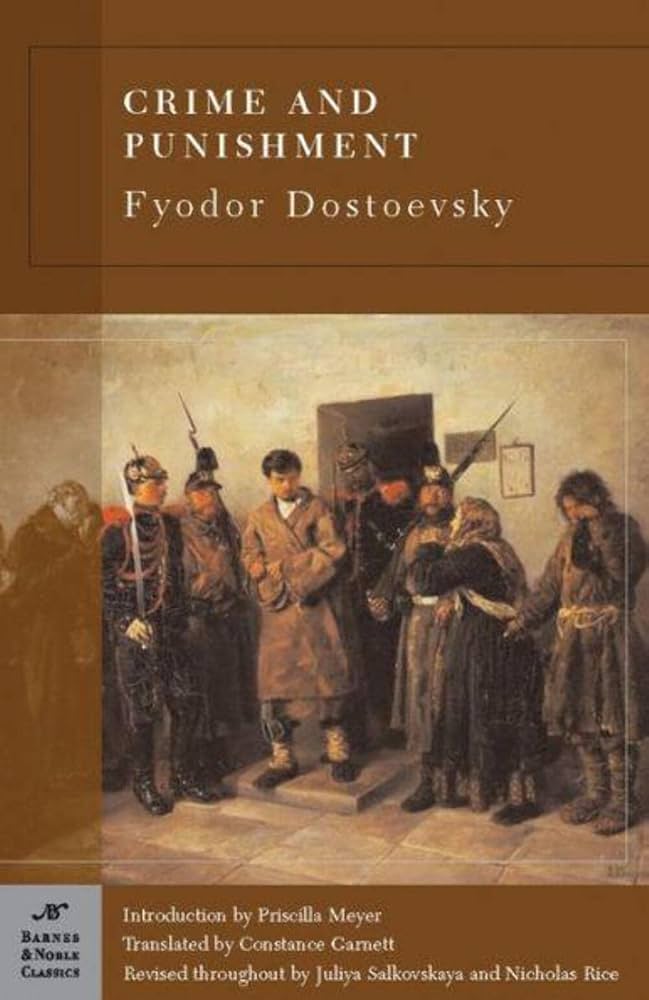
Crime and Punishment[a] is a novel by the Russian author Fyodor Dostoevsky. It was first published in the literary journal The Russian Messenger in twelve monthly installments during 1866.[1] It was later published in a single volume. It is the second of Dostoevsky’s full-length novels following his return from ten years of exile in Siberia. Crime and Punishment is considered the first great novel of his mature period of writing[2] and is often cited as one of the greatest works of world literature.[3][4][5][6]
Crime and Punishment follows the mental anguish and moral dilemmas of Rodion Raskolnikov, an impoverished former law student in Saint Petersburg who plans to kill an unscrupulous pawnbroker, an old woman who stores money and valuable objects in her flat. He theorises that with the money he could liberate himself from poverty and go on to perform great deeds, and seeks to convince himself that certain crimes are justifiable if they are committed in order to remove obstacles to the higher goals of “extraordinary” men. Once the deed is done, however, he finds himself wracked with confusion, paranoia, and disgust. His theoretical justifications lose all their power as he struggles with guilt and horror and is confronted with both internal and external consequences of his deed.
DOWNLOAD
WILLIAM SHAKESPEARE
KING HENRY IV PART II
Henry IV, Part 2 is a history play by William Shakespeare believed to have been written between 1596 and 1599. It is the third part of a tetralogy, preceded by Richard II and Henry IV, Part 1 and succeeded by Henry V.
The play is often seen as an extension of aspects of Henry IV, Part 1, rather than a straightforward continuation of the historical narrative, placing more emphasis on the highly popular character of Falstaff and introducing other comic figures as part of his entourage, including Ancient Pistol, Doll Tearsheet, and Justice Robert Shallow. Several scenes specifically parallel episodes in Part 1.
DOWNLOAD
CLIFFSNOTES ON SHAKESPEARE’S KING HENRY IV PART II
This play completes the description of the reign of Henry IV, now ailing, whose son John is still fighting to quell a rebellion. Young Prince Hal, however, is growing up and learns to accept the responsibilities of being king when his father dies.
DOWNLOAD
WILLIAM SHAKESPEARE
THE MERCHANT OF VENICE
The Merchant of Venice is a play by William Shakespeare, believed to have been written between 1596 and 1598. A merchant in Venice named Antonio defaults on a large loan taken out on behalf of his dear friend, Bassanio, and provided by a Jewish moneylender, Shylock, with seemingly inevitable fatal consequences.
Although classified as a comedy in the First Folio and sharing certain aspects with Shakespeare’s other romantic comedies, the play is most remembered for its dramatic scenes, and it is best known for the character Shylock and his famous demand for a “pound of flesh“.
The play contains two famous speeches, that of Shylock, “Hath not a Jew eyes?” on the subject of humanity, and that of Portia on “the quality of mercy“. Debate exists on whether the play is antisemitic, with Shylock’s insistence on his legal right to the pound of flesh being in opposition to his seemingly universal plea for the rights of all people suffering discrimination.
DOWNLOAD
CLIFFSNOTES ON SHAKESPEARE’S THE MERCHANT OF VENICE
The original CliffsNotes study guides offer expert commentary on major themes, plots, characters, literary devices, and historical background.
In CliffsNotes on The Merchant of Venice, you follow along as a young merchant cannot repay his debt to a vindictive moneylender.
This is the story that introduces us to Shylock, one of the most vivid and memorable characters in Shakespeare’s work. You’ll gain insight into this romantic comedy as you move through each of the play’s five acts. Other features that help you figure out this important work include
- Life and background of the author
- Analyses of the characters
- A brief synopsis of the play
- A review section that tests your knowledge
- A selected bibliography that leads you to more great resources
Classic literature or modern-day treasure — you’ll understand it all with expert information and insight from CliffsNotes study guides.
DOWNLOAD
CLIFFSCOMPLETE WILLIAM SHAKESPEARE’S THE MERCHANT OF VENICE
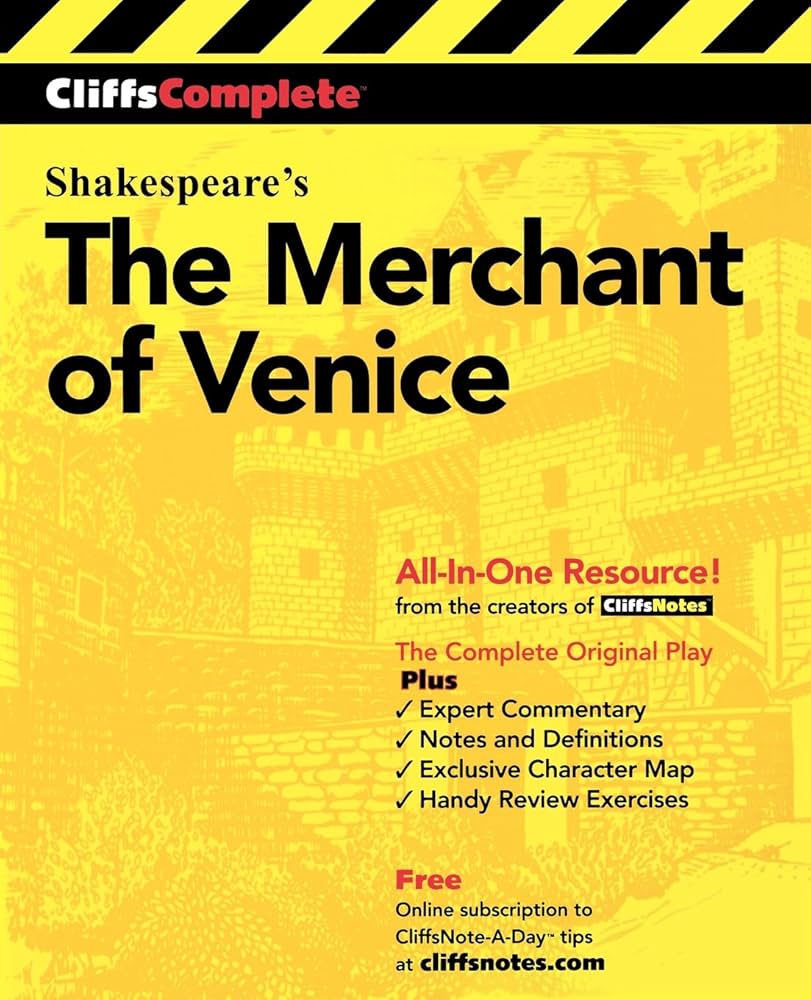
In the CliffsComplete guides, the novel’s complete text and a glossary appear side-by-side with coordinating numbered lines to help you understand unusual words and phrasing. You’ll also find all the commentary and resources of a standard CliffsNotes for Literature.
CliffsComplete The Merchant of Venice offers insight and information into a work that’s rich both dramatically and thematically. Every generation since Shakespeare’s time has been able to identify with some thematic aspect of the play.
Discover what happens to a young merchant who cannot repay a debt to a vindictive money lender; meet the menacing Shylock, one of the most vivid and memorable characters in Shakespeare’s works — and save valuable studying time — all at once. Enhance your reading of The Merchant of Venice with these additional features:
- A summary and insightful commentary for each act
- Bibliography and historical background on the author, William Shakespeare
- A look at Early Modern English intellect, religion, politics, and society
- Coverage of Shakespeare’s source and the play’s performance history
- A character map that graphically illustrates the relationships among the characters
- Review questions, a quiz, discussion guide, and activity ideas
- A Resource Center full of books, articles, films, and Web sites
Streamline your literature study with all-in-one help from CliffsComplete guides!
DOWNLOAD
WILLIAM SHAKESPEARE
LOVE’S LABOUR’S LOST
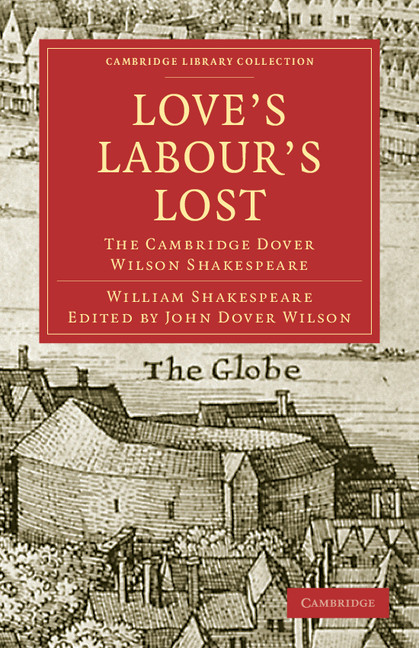
John Dover Wilson’s New Shakespeare, published between 1921 and 1966, became the classic Cambridge edition of Shakespeare’s plays and poems until the 1980s. The series, long since out-of-print, is now reissued. Each work contains a lengthy and lively introduction, main text, and substantial notes and glossary printed at the back. The edition, which began with The Tempest and ended with The Sonnets, put into practice the techniques and theories that had evolved under the ‘New Bibliography’. Remarkably by today’s standards, although it took the best part of half a century to produce, the New Shakespeare involved only a small band of editors besides Dover Wilson himself. As the volumes took shape, many of Dover Wilson’s textual methods acquired general acceptance and became an established part of later editorial practice, for example in the Arden and New Cambridge Shakespeares.
DOWNLOAD
CLIFFSNOTES ON SHAKESPEARE’S THE COMEDY OF ERRORS, LOVE’S LABOUR’S LOST & THE TWO GENTLEMEN OF VERONA
In this fast-paced farce, the plot and characters become tangled up in confusion until the grand unraveling in the last scene. Mistaken identities and misfortunes end on a note of joy, as wrongly condemned prisoners are freed and lovers are paired off.
DOWNLOAD
F. SCOTT FITZGERALD
THE GREAT GATSBY
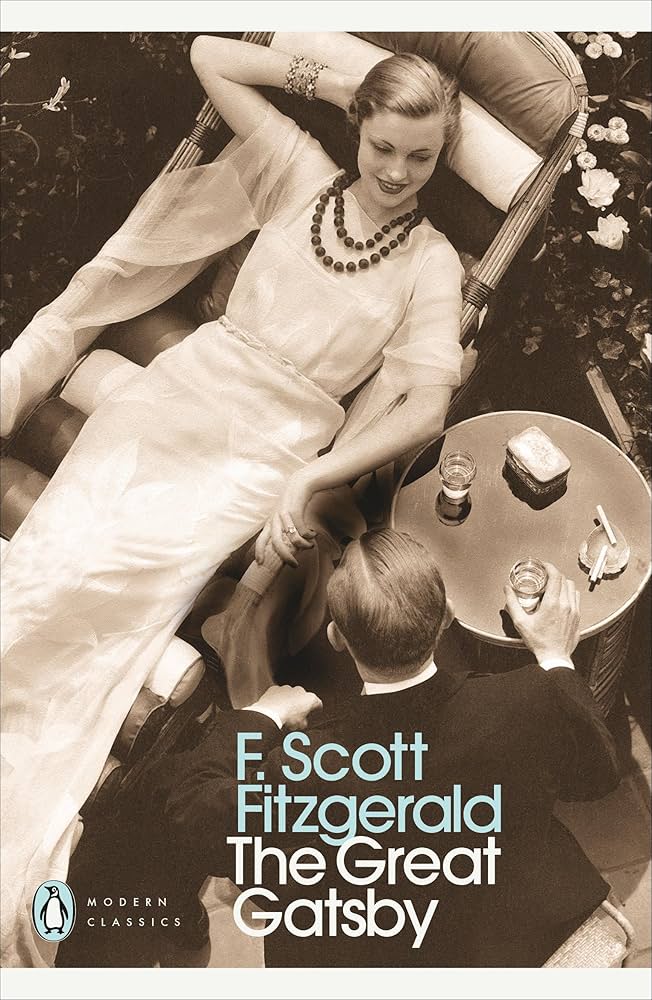
The Great Gatsby (/ɡætsbiː/ ⓘ) is a 1925 tragedy novel by American writer F. Scott Fitzgerald. Set in the Jazz Age on Long Island, near New York City, the novel depicts first-person narrator Nick Carraway‘s interactions with Jay Gatsby, a mysterious millionaire obsessed with reuniting with his former lover, Daisy Buchanan.
The novel was inspired by a youthful romance Fitzgerald had with socialite Ginevra King and the riotous parties he attended on Long Island’s North Shore in 1922. Following a move to the French Riviera, Fitzgerald completed a rough draft of the novel in 1924. He submitted it to editor Maxwell Perkins, who persuaded Fitzgerald to revise the work over the following winter. After making revisions, Fitzgerald was satisfied with the text but remained ambivalent about the book’s title and considered several alternatives. Painter Francis Cugat‘s dust jacket art, named Celestial Eyes, greatly impressed Fitzgerald, and he incorporated its imagery into the novel.
After its publication by Scribner’s in April 1925, The Great Gatsby received generally favorable reviews, though some literary critics believed it did not equal Fitzgerald’s previous efforts. Compared to his earlier novels, This Side of Paradise (1920) and The Beautiful and Damned (1922), the novel was a commercial disappointment. It sold fewer than 20,000 copies by October, and Fitzgerald’s hopes of a monetary windfall from the novel were unrealized. When Fitzgerald died in 1940, he believed himself to be a failure and his work forgotten.
During World War II, the novel experienced an abrupt surge in popularity when the Council on Books in Wartime distributed free copies to American soldiers serving overseas. This new-found popularity launched a critical and scholarly re-examination, and the work soon became a core part of most American high school curricula and a part of American popular culture. Numerous stage and film adaptations followed in the subsequent decades.
Gatsby continues to attract popular and scholarly attention. Scholars emphasize the novel’s treatment of social class, inherited versus self-made wealth, gender, race, and environmentalism, as well as its cynical attitude towards the American Dream. The Great Gatsby is widely considered to be a literary masterpiece and a contender for the title of the Great American Novel.
DOWNLOAD
CLIFFSNOTES ON FITZGERALD’S THE GREAT GATSBY
The original CliffsNotes study guides offer a look into key elements and ideas within classic works of literature. The latest generation of titles in this series also features glossaries and visual elements that complement the familiar format.
CliffsNotes on The Great Gatsby explores F. Scott Fitzgerald’s novel of triumph, tragedy, and a classic love triangle in the 1920s.
Following the story of a young Midwesterner who’s fascinated by the mysterious past and opulent lifestyle of his landlord, this study guide provides summaries and critical commentaries for each chapter within the novel. Other features that help you figure out this important work include
- Personal background on the author
- Introduction to and synopsis of the book
- In-depth character analyses
- Critical essays on topics of interest
- Review section that features interactive questions and suggested essay topics and practice projects
- Resource Center with books, videos, and websites that can help round out your knowledge
Classic literature or modern-day treasure—you’ll understand it all with expert information and insight from CliffsNotes study guides.
DOWNLOAD
JOHN STEINBECK
OF MICE AND MEN
Of Mice and Men is a 1937 novella written by American author John Steinbeck.[1][2] It describes the experiences of George Milton and Lennie Small, two displaced migrant ranch workers, as they move from place to place in California, searching for jobs during the Great Depression.
Steinbeck based the novella on his own experiences as a teenager working alongside migrant farm workers in the 1910s, before the arrival of the Okies whom he would describe in his novel The Grapes of Wrath. The title is taken from Robert Burns‘ poem “To a Mouse“: “The best laid schemes o’ mice an’ men / Gang aft agley” (“The best-laid plans of mice and men / Often go awry”).
Although the book is taught in many schools,[3] Of Mice and Men has been a frequent target of censorship and book bans for vulgarity and for what some consider offensive and racist language. Consequently, it appears on the American Library Association‘s list of the Most Challenged Books of the 21st Century.[4]
DOWNLOAD
CLIFFSNOTES ON STEINBECK’S OF MICE AND MEN
The original CliffsNotes study guides offer expert commentary on major themes, plots, characters, literary devices, and historical background. The latest generation of titles in the series also feature glossaries and visual elements that complement the classic, familiar format.
In CliffsNotes on Of Mice and Men, you’ll meet drifters Lennie and George and recount their peculiar difficulties and unusual bond. The CliffsNotes commentaries, summaries, and character analysis will show you why this sweet, sad, and moving American story is considered to be one of Steinbeck’s greatest works. You’ll also find
- Life and background of the author, John Steinbeck
- A short introduction to the novel
- A character map that graphically illustrates the relationships among the characters
- Critical essays
- A review section that tests your knowledge
- A Resource Center with books, Web sites, films, and magazine articles for further study
Classic literature or modern modern-day treasure — you’ll understand it all with expert information and insight from CliffsNotes study guides.
DOWNLOAD
WILLIAM GOLDING
LORD OF THE FLIES
Lord of the Flies remains as provocative today as when it was first published in 1954, igniting passionate debate with its startling, brutal portrait of human nature. Though critically acclaimed, it was largely ignored upon its initial publication. Yet soon it became a cult favorite among both students and literary critics who compared it to J.D. Salinger’s The Catcher in the Rye in its influence on modern thought and literature. William Golding’s compelling story about a group of very ordinary small boys marooned on a coral island has become a modern classic. At first it seems as though it is all going to be great fun; but the fun before long becomes furious and life on the island turns into a nightmare of panic and death. As ordinary standards of behaviour collapse, the whole world the boys know collapses with them—the world of cricket and homework and adventure stories—and another world is revealed beneath, primitive and terrible. Labeled a parable, an allegory, a myth, a morality tale, a parody, a political treatise, even a vision of the apocalypse, Lord of the Flies has established itself as a true classic. “Lord of the Flies is one of my favorite books. That was a big influence on me as a teenager, I still read it every couple of years.” —Suzanne Collins, author of The Hunger Games “As exciting, relevant, and thought-provoking now as it was when Golding published it in 1954.” —Stephen King
DOWNLOAD
PLATO COMPLETE WORKS
Plato: Complete Works is a single-volume collection of the entire surviving body of work attributed to the ancient Greek philosopher Plato, featuring modern translations by leading scholars, introductions, and extensive annotations. These works, primarily dialogues featuring Socrates, cover fundamental topics like justice, knowledge, ethics, politics, metaphysics, and cosmology, making them accessible to both scholars and general readers. Key editions include those edited by John M. Cooper (Hackett Publishing) and classic translations by Benjamin Jowett.
DOWNLOAD
GEORGE ORWELL
NINETEEN EIGHTY-FOUR
Nineteen Eighty-Four (also published as 1984) is a dystopian speculative fiction novel by the English writer George Orwell. It was published on 8 June 1949 by Secker & Warburg as Orwell’s ninth and final completed book. Thematically, it centres on totalitarianism, mass surveillance and repressive regimentation of people and behaviours.[3][4] Nineteen Eighty-Four has been often regarded as a classic and has been acknowledged for its impact on twentieth-century literature.
The story takes place in a fictional future. The year is believed to be 1984, but this is uncertain. Much of the world is in perpetual war. Great Britain, now known as Airstrip One, has become a province of the totalitarian superstate Oceania, which is led by Big Brother, a dictatorial leader supported by an intense cult of personality manufactured by the Party’s Thought Police. The Party engages in omnipresent government surveillance and, through the Ministry of Truth, historical negationism and constant propaganda to persecute individuality and independent thinking.[5] Orwell described his book as a “satire“,[6] and a display of the “perversions to which a centralised economy is liable”, while also stating he believed “that something resembling it could arrive”.[6] The novel examines the role of truth and facts within societies and the ways in which they can be manipulated. Parallels have been drawn between the novel and real-world totalitarianism, mass surveillance and violations of freedom of expression, among other themes.[7][8][9]
Nineteen Eighty-Four has become a classic literary example of dystopian and political fiction. It popularised “Orwellian” as an adjective, and many terms used in it have entered common usage, including “Big Brother“, “doublethink“, “Thought Police“, “thoughtcrime“, and “Newspeak“, as well as the expression “2 + 2 = 5“. Time magazine included it on its list of the 100 best English-language novels published from 1923 to 2005,[10] and it was placed on the Modern Library‘s 100 Best Novels list, reaching number 13 on the editors’ list and number 6 on the readers’ list.[11] In 2003 it was listed at number 8 on The Big Read survey by the BBC.[12] It has been adapted across media, most famously as a film in 1984 starring John Hurt, Suzanna Hamilton and Richard Burton.
DOWNLOAD
ERNEST HEMINGWAY
FOR WHOM THE BELL TOLLS
For Whom the Bell Tolls is a novel by Ernest Hemingway published in 1940. It tells the story of Robert Jordan, a young American volunteer attached to a Republican guerrilla unit during the Spanish Civil War. As a demolitions expert, he is assigned to blow up a bridge during the Segovia Offensive.
It was published just after the end of the Spanish Civil War (1936–1939), which had been covered in detail in international media at the time. The writer assumes his audience knows that the war was between the leftist government of the Second Spanish Republic, which many foreigners went to Spain to help, and the Nationalist faction, which was supported by Nazi Germany and Fascist Italy. In 1940, the year the book was published, the United States had not yet entered World War II.[1]
The novel is regarded as one of Hemingway’s best works, along with The Sun Also Rises, A Farewell to Arms, and The Old Man and the Sea.[2]
DOWNLOAD
CLIFFSNOTES ON HEMINGWAY’S FOR WHOM THE BELL TOLLS
Ernest Hemingway’s 1940 classic, For Whom the Bell Tolls, takes place over four intense days during the Spanish Civil War. It follows Robert Jordan, an American volunteer assigned to help a band of anti-fascist guerrillas blow up a strategic bridge. The novel explores themes of love, duty, and the loss of innocence.
DOWNLOAD
JANE AUSTEN
PRIDE AND PREJUDICE
Pride and Prejudice is a novel by English author Jane Austen. Written when she was aged 20–21, it was her third novel scribed and became the second to see print when it was published in 1813. A novel of manners, it follows the character development of Elizabeth Bennet, the protagonist of the book, who learns about the repercussions of hasty judgments and comes to appreciate the difference between superficial goodness and actual goodness.
Her father, Mr. Bennet—owner of the Longbourn estate in Hertfordshire—has five daughters; but this estate is entailed by a strict settlement[1] that Mr Bennet entered into when coming of age, so now can only be inherited in the male line. His wife brought a settlement[2] of £5,000 into the marriage as her ‘separate estate’, and has since inherited an additional £4,000 on the death of her father; however, Mrs Bennet and her daughters face living only on the interest from these sums upon Mr Bennet’s death. To his regret, he has failed to save out of the income from the Longbourn estate to provide enhanced marriage portions for his daughters. From the Bennets’ perspective, it is imperative that at least one of their daughters marry well to support the others, which is a primary motivation driving the plot.
Pride and Prejudice has consistently appeared near the top of lists of “most-loved books” among literary scholars and the reading public. It has become one of the most popular novels in English literature, with over 20 million copies sold, and has inspired many derivatives in modern literature.[3][4] For more than a century, dramatic adaptations, reprints, unofficial sequels, films, and TV versions of Pride and Prejudice have portrayed the memorable characters and themes of the novel, reaching mass audiences.[5]
DOWNLOAD
CLIFFSNOTES ON AUSTEN’S PRIDE AND PREJUDICE
The original CliffsNotes study guides offer expert commentary on major themes, plots, characters, literary devices, and historical background. The latest generation of titles in the series also feature glossaries and visual elements that complement the classic, familiar format.
In CliffsNotes on Pride and Prejudice, Jane Austen’s most popular and well-known work, you’ll meet Elizabeth Bennet and her sisters as they navigate the social milieu of provincial 18th-century England. In addition to easy travels through all of the novel’s ironic plot twists, you’ll get detailed plot summaries and chapter-by-chapter commentaries to show you how Austen’s belief in rationalism triumphs in the union of Elizabeth and Mr. Darcy. You’ll also discover
- Life and background of the author, Jane Austen
- A character map that graphically illustrates the relationships among the characters
- Critical essays about women’s roles in 19th-century Britain and money
- A review section that tests your knowledge
- A Resource Center with books, Web sites, and films for further study
Classic literature or modern modern-day treasure — you’ll understand it all with expert information and insight from CliffsNotes study guides.
DOWNLOAD
LOLITA
Lolita is a 1955 novel written by Russian and American novelist Vladimir Nabokov. The protagonist and narrator is a French literature professor who moves to New England and writes under the pseudonym Humbert Humbert. He details his obsession with and victimization of a 12-year-old girl, Dolores Haze, whom he describes as a “nymphet”. Humbert becomes sexually obsessed with Dolores after becoming her stepfather, and romanticizes his obsession. Privately, he calls her “Lolita”, the Spanish diminutive for Dolores. The novel was written in English, but fear of censorship in the U.S. (where Nabokov lived) and Britain led to it being first published in Paris, France, in 1955 by Olympia Press.
The book has received critical acclaim in spite of the controversy it caused with the public. It has been included in many lists of best books, such as Time‘s List of the 100 Best Novels, Le Monde‘s 100 Books of the Century, Bokklubben World Library, Modern Library’s 100 Best Novels, and The Big Read. The novel has been twice adapted into film: first in 1962 by Stanley Kubrick, and later in 1997 by Adrian Lyne. It has also been adapted several times for the stage.
DOWNLOAD
HARPER LEE
TO KILL A MOCKINGBIRD
50TH ANNIVERSARY EDITION
To Kill a Mockingbird is a 1960 Southern Gothic novel by American author Harper Lee. It became instantly successful after its release; in the United States, it is widely read in high schools and middle schools.[1] To Kill a Mockingbird won the Pulitzer Prize a year after its release, and it has become a classic of modern American literature.[2] The plot and characters are loosely based on Lee’s observations of her family, her neighbors and an event that occurred near her hometown of Monroeville, Alabama, in 1936, when she was ten.[3]
Despite dealing with the serious issues of rape and racial inequality, the novel is renowned for its warmth and humor. Atticus Finch, the narrator’s father, has served as a moral hero for many readers and as a model of integrity for lawyers. The historian Joseph Crespino explains, “In the twentieth century, To Kill a Mockingbird is probably the most widely read book dealing with race in America, and its main character, Atticus Finch, the most enduring fictional image of racial heroism.”[4] As a Southern Gothic novel and Bildungsroman, the primary themes of To Kill a Mockingbird involve racial injustice and the loss of innocence. Scholars have noted that Lee also addresses issues of class, courage, compassion, and gender roles in the Deep South. Lessons from the book emphasize tolerance and decry prejudice.[5] Despite its themes, To Kill a Mockingbird has been subject to campaigns for removal from public classrooms, often challenged for its use of racial epithets. In 2006, British librarians ranked the book ahead of the Bible as one “every adult should read before they die”.[6]
Reaction to the novel varied widely upon publication. Despite the number of copies sold and its widespread use in education, literary analysis of it is sparse. Author Mary McDonough Murphy, who collected individual impressions of To Kill a Mockingbird by several authors and public figures, calls the book “an astonishing phenomenon”.[7] It was adapted into the 1962 Oscar-winning film of the same name by director Robert Mulligan, with a screenplay by Horton Foote. Since 1990, a play based on the novel has been performed annually in Harper Lee’s hometown.
To Kill a Mockingbird was Lee’s only published book until Go Set a Watchman, an earlier draft of To Kill a Mockingbird, was published on July 14, 2015. Lee continued to respond to her work’s impact until her death in February 2016. She was very guarded about her personal life, and gave her last interview to a journalist in 1964.[8]
DOWNLOAD
CLIFFSNOTES ON LEE’S TO KILL A MOCKINGBIRD
In To Kill a Mockingbird, author Harper Lee uses memorable characters to explore civil rights and racism in the segregated Southern United States of the 1930s. Told through the eyes of Scout Finch, you learn about her father Atticus Finch, an attorney who hopelessly strives to prove the innocence of a black man unjustly accused of rape; and about Boo Radley, a mysterious neighbor who saves Scout and her brother Jem from being killed.
- Written by: Harper Lee
- Type of Work: novel
- Genres: bildungsroman (coming of age novel); civil rights movement
- First Published: 1960 by J. B. Lippincott
- Setting: 1930s; Maycomb, Alabama
- Main Characters: Scout Finch; Atticus Finch; Jem Finch; Tom Robinson; Bob Ewell; Boo Radley
- Major Thematic Topics: Jim Crow Laws; prejudice; civil rights; racism; defining bravery; maturity; feminine vs. masculine; women’s roles in the South; effects of the mob mentality; perception; inconsistency of humanity; gender roles; integrity
- Motifs: superstition; Boo Radley; weeds; education in the classroom versus small town education
- Major Symbols: mockingbirds; snow; birds; rebirthing fire
- Movie Versions: To Kill a Mockingbird (1962)
The three most important aspects of To Kill a Mockingbird:
- The title of To Kill a Mockingbird refers to the local belief, introduced early in the novel and referred to again later, that it is a sin to kill a mockingbird. Harper Lee is subtly implying that the townspeople are responsible for killing Tom Robinson, and that doing so was not only unjust and immoral, but sinful.
- The events of To Kill a Mockingbird take place while Scout Finch, the novel’s narrator, is a young child. But the sophisticated vocabulary and sentence structure of the story indicate that Scout tells the story many years after the events described, when she has grown to adulthood.
- To Kill a Mockingbird is unusual because it is both an examination of racism and a bildungsroman. Within the framework of a coming-of-age story, Lee examines a very serious social problem. Lee seamlessly blends these two very different kinds of stories.
DOWNLOAD
PLATO
THE REPUBLIC
The Republic (Ancient Greek: Πολιτεία, romanized: Politeia; Latin: De Republica)[1] is a Socratic dialogue authored by Plato around 375 BC, concerning justice (dikaiosúnē), the order and character of the just city-state, and the just man.[2] It is Plato’s best-known work, and one of the world’s most influential works of philosophy and political theory, both intellectually and historically.[3][4]
In the dialogue, Socrates discusses with various Athenians and foreigners the meaning of justice and whether the just man is happier than the unjust man.[5] He considers the natures of existing regimes and then proposes a series of hypothetical cities in comparison, culminating in Kallipolis (Καλλίπολις), a utopian city-state ruled by a class of philosopher-kings. They also discuss ageing, love, theory of forms, the immortality of the soul, and the role of the philosopher and of poetry in society.[6] The dialogue’s setting seems to be the time of the Peloponnesian War.[7]
DOWNLOAD
DANTE
THE DIVINE COMEDY VOL. 1: INFERNO
Inferno (Italian: [iɱˈfɛrno]; Italian for ‘Hell‘) is the first part of the Italian writer Dante Alighieri‘s 14th-century narrative poem The Divine Comedy, followed by Purgatorio and Paradiso. The Inferno describes the journey of a fictionalised version of Dante himself through Hell, guided by the ancient Roman poet Virgil. In the poem, Hell is depicted as nine concentric circles of torment located within the Earth; it is the “realm […] of those who have rejected spiritual values by yielding to bestial appetites or violence, or by perverting their human intellect to fraud or malice against their fellowmen”.[1] As an allegory, the Divine Comedy represents the journey of the soul toward God, with the Inferno describing the recognition and rejection of sin.[2]
DOWNLOAD
DANTE
THE DIVINE COMEDY VOL. II: PURGATORY
The Divine Comedy (Italian: Divina Commedia) is an Italian narrative poem by Dante Alighieri, begun c. 1308 and completed c. 1321, shortly before the author’s death. It is widely considered the pre-eminent work in Italian literature[1] and one of the greatest works of Western literature. The poem’s imaginative vision of the afterlife is representative of the medieval worldview as it existed in the Western Church by the 14th century. It helped establish the Tuscan language, in which it is written, as the standardized Italian language.[2] It is divided into three parts: Inferno, Purgatorio, and Paradiso.
The poem explores the condition of the soul following death and portrays a vision of divine justice, in which individuals receive appropriate punishment or reward based on their actions.[3] It describes Dante’s travels through Hell, Purgatory, and Heaven. Allegorically, the poem represents the soul’s journey towards God, beginning with the recognition and rejection of sin (Inferno), followed by the penitent Christian life (Purgatorio), which is then followed by the soul’s ascent to God (Paradiso). Dante draws on medieval Catholic theology and philosophy, especially Thomistic philosophy derived from the Summa Theologica of Thomas Aquinas.
In the poem, the pilgrim Dante is accompanied by three guides: Virgil, who represents human reason, and who guides him for all of Inferno and most of Purgatorio; Beatrice, who represents divine revelation[4] in addition to theology, grace, and faith; and guides him from the end of Purgatorio onwards; and Saint Bernard of Clairvaux, who represents contemplative mysticism and devotion to Mary the Mother, guiding him in the final cantos of Paradiso.
The work was originally simply titled Comedìa (pronounced [komeˈdiːa], Tuscan for “Comedy”) – so also in the first printed edition, published in 1472 – later adjusted to the modern Italian Commedia. The earliest known use of the adjective Divina appears in Giovanni Boccaccio‘s[5] biographical work Trattatello in laude di Dante (“Treatise in Praise of Dante”),[6] which was written between 1351 and 1355[7] – the adjective likely referring to the poem’s profound subject matter and elevated style. The first edition to name the poem Divina Comedia in the title was that of the Venetian humanist Lodovico Dolce,[8] published in 1555 by Gabriele Giolito de’ Ferrari.
DOWNLOAD
DANTE
THE DIVINE COMEDY VOL. III: PARADISE
The Divine Comedy (Italian: Divina Commedia) is an Italian narrative poem by Dante Alighieri, begun c. 1308 and completed c. 1321, shortly before the author’s death. It is widely considered the pre-eminent work in Italian literature[1] and one of the greatest works of Western literature. The poem’s imaginative vision of the afterlife is representative of the medieval worldview as it existed in the Western Church by the 14th century. It helped establish the Tuscan language, in which it is written, as the standardized Italian language.[2] It is divided into three parts: Inferno, Purgatorio, and Paradiso.
The poem explores the condition of the soul following death and portrays a vision of divine justice, in which individuals receive appropriate punishment or reward based on their actions.[3] It describes Dante’s travels through Hell, Purgatory, and Heaven. Allegorically, the poem represents the soul’s journey towards God, beginning with the recognition and rejection of sin (Inferno), followed by the penitent Christian life (Purgatorio), which is then followed by the soul’s ascent to God (Paradiso). Dante draws on medieval Catholic theology and philosophy, especially Thomistic philosophy derived from the Summa Theologica of Thomas Aquinas.
In the poem, the pilgrim Dante is accompanied by three guides: Virgil, who represents human reason, and who guides him for all of Inferno and most of Purgatorio; Beatrice, who represents divine revelation[4] in addition to theology, grace, and faith; and guides him from the end of Purgatorio onwards; and Saint Bernard of Clairvaux, who represents contemplative mysticism and devotion to Mary the Mother, guiding him in the final cantos of Paradiso.
The work was originally simply titled Comedìa (pronounced [komeˈdiːa], Tuscan for “Comedy”) – so also in the first printed edition, published in 1472 – later adjusted to the modern Italian Commedia. The earliest known use of the adjective Divina appears in Giovanni Boccaccio‘s[5] biographical work Trattatello in laude di Dante (“Treatise in Praise of Dante”),[6] which was written between 1351 and 1355[7] – the adjective likely referring to the poem’s profound subject matter and elevated style. The first edition to name the poem Divina Comedia in the title was that of the Venetian humanist Lodovico Dolce,[8] published in 1555 by Gabriele Giolito de’ Ferrari.
DOWNLOAD
HOMER
THE ODYSSEY
The Odyssey (/ˈɒdɪsi/;[1] Ancient Greek: Ὀδύσσεια, romanized: Odýsseia [odýsseːa])[2] is one of two major epics of ancient Greek literature attributed to Homer. It is one of the oldest surviving works of literature and remains popular with modern audiences. Like the Iliad, the Odyssey is divided into 24 books. It follows the heroic king of Ithaca, Odysseus, also known by the Latin variant Ulysses, and his homecoming journey after the ten-year-long Trojan War. His journey from Troy to Ithaca lasts an additional ten years, during which time he encounters many perils and all of his crewmates are killed. In Odysseus’s long absence, he is presumed dead, leaving his wife Penelope and son Telemachus to contend with a group of unruly suitors competing for Penelope’s hand in marriage.
The Odyssey was first composed in Homeric Greek around the 8th or 7th century BC; by the mid-6th century BC, it had become part of the Greek literary canon. In antiquity, Homer’s authorship was taken as true, but contemporary scholarship predominantly assumes that the Iliad and the Odyssey were composed independently, as part of long oral traditions. Given widespread illiteracy, the poem was performed for an audience by an aoidos or rhapsode.
Key themes in the epic include the ideas of nostos (νόστος; ‘return’, homecoming), wandering, xenia (ξενία; ‘guest-friendship’), testing, and omens. Scholars discuss the narrative prominence of certain groups within the poem, such as women and slaves, who have larger roles than in other works of ancient literature. This focus is especially remarkable when contrasted with the Iliad, which centers upon the exploits of soldiers and kings during the Trojan War.
The Odyssey is regarded as one of the most significant works of the Western canon. The first English translation of the Odyssey was in the 16th century. Adaptations and re-imaginings continue to be produced across a wide variety of media. In 2018, when BBC Culture polled experts around the world to find literature’s most enduring narrative, the Odyssey topped the list.
DOWNLOAD
THE COMPLETE HARVARD CLASSICS
The Harvard Classics, originally marketed as Dr. Eliot’s Five-Foot Shelf of Books, is a 50-volume series of classic works of world literature, important speeches, and historical documents compiled and edited by Harvard University President Charles W. Eliot.[1][2] Eliot believed that a careful reading of the series and following the eleven reading plans included in Volume 50 would offer a reader, in the comfort of the home, the benefits of a liberal education, entertainment and counsel of history’s greatest creative minds.[3] The initial success of The Harvard Classics was due, in part, to the branding offered by Eliot and Harvard University. Buyers of these sets were apparently attracted to Eliot’s claims. The General Index contains upwards of 76,000 subject references.[4][5][6]
The first 25 volumes were published in 1909 followed by the next 25 volumes in 1910. The collection was enhanced when the Lectures on The Harvard Classics was added in 1914 and Fifteen Minutes a Day – The Reading Guide in 1916.[7] The Lectures on The Harvard Classics was edited by Willam A. Neilson, who had assisted Eliot in the selection and design of the works in Volumes 1–49.[8] Neilson also wrote the introductions and notes for the selections in Volumes 1–49.[3] The Harvard Classics is often described as a “51 volume” set, however, P.F. Collier & Son consistently marketed the Harvard Classics as 50 volumes plus Lectures and a Daily Reading Guide. Both The Harvard Classics and The Five-Foot Shelf of Books are registered trademarks of P.F. Collier & Son for a series of books used since 1909.[9][10]
Collier advertised The Harvard Classics in U.S. magazines including Collier’s and McClure’s, offering to send a pamphlet to prospective buyers. The pamphlet, entitled Fifteen Minutes a Day – A Reading Plan, is a 64-page booklet that describes the benefits of reading, gives the background on the book series, and includes many statements by Eliot about why he undertook the project. In the pamphlet, Eliot states:[11]
My aim was not to select the best fifty, or best hundred, books in the world, but to give, in twenty-three thousand pages or thereabouts, a picture of the progress of the human race within historical times, so far as that progress can be depicted in books. The purpose of The Harvard Classics is, therefore, one different from that of collections in which the editor’s aim has been to select a number of best books; it is nothing less than the purpose to present so ample and characteristic a record of the stream of the world’s thought that the observant reader’s mind shall be enriched, refined and fertilized. Within the limits of fifty volumes, containing about twenty-three thousand pages, my task was to provide the means of obtaining such knowledge of ancient and modern literature as seemed essential to the twentieth-century idea of a cultivated man. The best acquisition of a cultivated man is a liberal frame of mind or way of thinking; but there must be added to that possession acquaintance with the prodigious store of recorded discoveries, experiences, and reflections which humanity in its intermittent and irregular progress from barbarism to civilization has acquired and laid up.
DOWNLOAD
CHARLOTTE BRONTE
JANE EYRE
Jane Eyre (/ɛər/ AIR; originally published as Jane Eyre: An Autobiography) is a novel by the English writer Charlotte Brontë. It was published under her pen name “Currer Bell” on 19 October 1847 by Smith, Elder & Co. of London. The first American edition was published in January 1848 by Harper & Brothers of New York.[2] Jane Eyre is a bildungsroman that follows the experiences of its eponymous heroine, including her growth to adulthood and her love for Mr Rochester, the brooding master of Thornfield Hall.[3]
The novel revolutionised prose fiction, being the first to focus on the moral and spiritual development of its protagonist through an intimate first-person narrative, where actions and events are coloured by a psychological intensity. Literary critic Daniel S. Burt has called Charlotte Brontë “the first historian of the private consciousness”[4] and the literary ancestor of writers such as Marcel Proust and James Joyce.[5]
The book contains elements of social criticism with a strong sense of Christian morality at its core, and it is considered by many[who?] to be ahead of its time because of Jane’s individualistic character and how the novel approaches the topics of class, sexuality, religion and feminism.[6][7] Jane Eyre, along with Jane Austen‘s Pride and Prejudice, is one of the most famous romance novels.[8] It is considered one of the greatest novels in the English language,[9] and in 2003 was ranked as the tenth best-loved book in Britain by the BBC in The Big Read poll.
DOWNLOAD
WILLIAM SHAKESPEARE
ROMEO AND JULIET
John Dover Wilson’s New Shakespeare, published between 1921 and 1966, became the classic Cambridge edition of Shakespeare’s plays and poems until the 1980s. The series, long since out-of-print, is now reissued. Each work contains a lengthy and lively introduction, main text, and substantial notes and glossary printed at the back.
The edition, which began with The Tempest and ended with The Sonnets, put into practice the techniques and theories that had evolved under the ‘New Bibliography’.
Remarkably by today’s standards, although it took the best part of half a century to produce, the New Shakespeare involved only a small band of editors besides Dover Wilson himself. As the volumes took shape, many of Dover Wilson’s textual methods acquired general acceptance and became an established part of later editorial practice, for example in the Arden and New Cambridge Shakespeares.
DOWNLOAD
CLIFFSNOTES ON SHAKESPEARE’S ROMEO AND JULIET
The original CliffsNotes study guides offer expert commentary on major themes, plots, characters, literary devices, and historical background. The latest generation of titles in this series also feature glossaries and visual elements that complement the classic, familiar format.
In CliffsNotes on Shakespeare’s Romeo and Juliet, you explore Shakespeare’s greatest tragedy — the heartbreaking love story of Romeo and Juliet amid the conflict between their two feuding families, the Montagues and the Capulets.
This study guide carefully walks you through every twist and turn of Shakespeare’s classic by providing chapter summaries and critical analyses of each act and scene of the play. You’ll also explore the life and background of the ”Bard” himself — William Shakespeare. Other features that help you study include
- Character analyses of major players
- A character map that graphically illustrates the relationships among the characters
- Critical essays
- The history of the play’s development, as well as its first performance
- A review section that tests your knowledge
- A Resource Center full of books, articles, films, and Internet sites
Classic literature or modern modern-day treasure — you’ll understand it all with expert information and insight from CliffsNotes study guides.
DOWNLOAD
CLIFFSCOMPLETE WILLIAM SHAKESPEARE’S ROMEO AND JULIET
In the CliffsComplete guides, the novel’s complete text and a glossary appear side-by-side with coordinating numbered lines to help you understand unusual words and phrasing. You’ll also find all the commentary and resources of a standard CliffsNotes for Literature.
CliffsComplete Romeo & Juliet offers insight and information into a work that’s rich both dramatically and thematically. Every generation since Shakespeare’s time has been able to identify with some romantic or thematic aspect of the play.
Discover what happens to these famous, star-crossed lovers and what causes the family feud between the Montagues and Capulets — and save valuable studying time — all at once. Enhance your reading of Romeo & Juliet with these additional features:
- A summary and insightful commentary for each act
- Bibliography and historical background on the author, William Shakespeare
- A look at Early Modern English intellect, religion, politics, and society
- Coverage of Shakespeare’s source and the play’s performance history
- A character map that graphically illustrates the relationships among the characters
- Review questions, a quiz, discussion guide, and activity ideas
- A Resource Center full of books, articles, films, and Web sites
Streamline your literature study with all-in-one help from CliffsComplete guides!
DOWNLOAD
WILLIAM SHAKESPEARE
A MIDSUMMER NIGHT’S DREAM
A Midsummer Night’s Dream is a comedy play written by William Shakespeare between the years 1594 to 1596. The play is set in Athens, and consists of several subplots that revolve around the marriage of Theseus and Hippolyta. One subplot involves a conflict among four Athenian lovers. Another follows a group of six amateur actors rehearsing the play which they are to perform before the wedding. Both groups find themselves in a forest inhabited by fairies who manipulate the humans and are engaged in their own domestic intrigue. A Midsummer Night’s Dream is one of Shakespeare’s most popular and widely performed plays.[1] Another subplot involves an argument between Titania, Queen of the Fairies and Oberon over an Indian changeling boy.
DOWNLOAD
CLIFFSNOTES ON SHAKESPEARE’S A MIDSUMMER NIGHT’S DREAM
The original CliffsNotes study guides offer a look into critical elements and ideas within classic works of literature.In CliffsNotes on A Midsummer Night’s Dream, you dig into Shakespeare’s entertaining story of young lovers as they’re toyed with by mischievous forest sprites.Shakespeare claimed to have written this romantic comedy to show that “love hath no law but its own.” This study guide follows the action from scene to scene with commentaries that bring sense to the entertaining play, which is neither realistic nor tragic. Other features that help you figure out this important work includeLife and background of the authorIntroduction to and synopsis of the playAnalyses of all the characters and a character mapSummaries of each of the five actsA review section that tests your knowledge and suggests essay topicsClassic literature or modern-day treasure — you’ll understand it all with expert information and insight from CliffsNotes study guides.
DOWNLOADS
CLIFFSCOMPLETE WILLIAM SHAKESPEARE’S A MIDSUMMER NIGHT’S DREAM
1 online resource (182 pages) :, A guide to reading and understanding Shakespeare’s \”A Midsummer Night’s Dream\”, featuring a profile of the author and the time in which he lived; an introduction to the play; a map of characters; the text of the play with act summaries, notes, and commentaries; review questions; and a list of resources, Includes bibliographical references (pages 165-166) and index, Print version record.
Leave a Reply